











Home1-800-Hotline Posts & Newsletter
🚨 Signals from 1800DTC: chat becomes commerce, creators at scale

Conversational sales, record seasonal spend, and the strategies operators are debating right now.


Commerce right now feels like a constant balancing act. New channels open up while old ones reset, AI is reshaping how brands talk to customers, and operators are trying to figure out what actually deserves attention versus what’s just noise.
This week’s Signals pulls together a few shifts worth paying attention to. We’re looking at how conversations are becoming real conversion channels, what seasonal spending data says about consumer behavior, how brands are scaling creator programs in ways that spark real debate, and which emerging brands, tools, and partners operators are leaning on as they plan their next phase of growth.
Nothing theoretical here. Just signals, numbers, and real execution examples you can pressure-test against your own roadmap.
Dive in, steal what’s useful, and keep building.

Support chats are turning into sales channels, whether brands plan for it or not.
Gorgias’ latest conversational commerce research and predictions point to a shift most operators are already feeling: customers aren’t moving neatly through funnels anymore. They’re discovering products, asking questions, comparing options, and buying all inside chat, DMs, and messaging threads.
AI is speeding this up. Brands can now answer FAQs, recommend products, check orders, and remove buying friction instantly, without forcing customers to leave the conversation.
Another shift: CX teams are becoming part of the growth engine. Instead of just solving tickets, conversations are influencing purchases, upsells, and retention. The brands pulling ahead are letting automation handle routine questions while humans step in where persuasion or nuance matters.
💡Operator takeaway:
If chat and messaging still sit purely under “support” in your org, it’s probably time to rethink that. Practical tests worth running this quarter:
Add product recommendation flows inside chat and post-purchase support threads
Track how many support conversations end in purchases or repeat orders
Use automation to handle FAQs so your team can focus on high-value conversations
Treat CX metrics and revenue metrics as connected, not separate
Customers are already trying to buy through conversation. The opportunity is making it easy when they do.

What’s the vibe across the DTC ecosystem right now?
Lemme just did $13M in a single month on TikTok Shop. But the strategy raises real questions.
Kourtney Kardashian’s supplement brand Lemme reportedly drove $13 million in monthly TikTok Shop sales, powered by an aggressive affiliate strategy that onboarded roughly 13,000 creators, resulting in tens of thousands of videos pushing the product across the algorithm.
The playbook was simple: volume over polish.
Creators were incentivized to post multiple videos each, including unboxings, first impressions, progress updates, comparisons, and long-term results. That volume flooded the algorithm, TikTok learned what converted, and winning content was then amplified through paid spend.
But operators raised an important counterpoint. This strategy works when product positioning is flexible and distribution scale matters more than brand control. For brands built on careful storytelling or premium positioning, one off-message video from the wrong creator can undo months of work.
There is another layer here too. Categories like supplements, wellness, and ingestibles rely heavily on consumer trust. Claims, tone, and credibility matter more, and inconsistent creator messaging can create confusion or even compliance risks. Scale works, but trust is harder to rebuild once lost.
💡Operator takeaway: Volume-driven creator programs can unlock massive scale, but they are not right for every brand. The real question is whether your growth strategy prioritizes reach or brand control, and how much risk your category can realistically absorb.

We’re data nerds so you don’t have to be. Each week we’ll bring you some data to chew on with The Data Drop.
Valentine’s Day spending is expected to hit another record.
According to NRF’s latest projections, Valentine’s Day spending in the U.S. is expected to reach another all-time high, continuing the trend of consumers leaning into experiential and gift spending despite broader economic pressures.
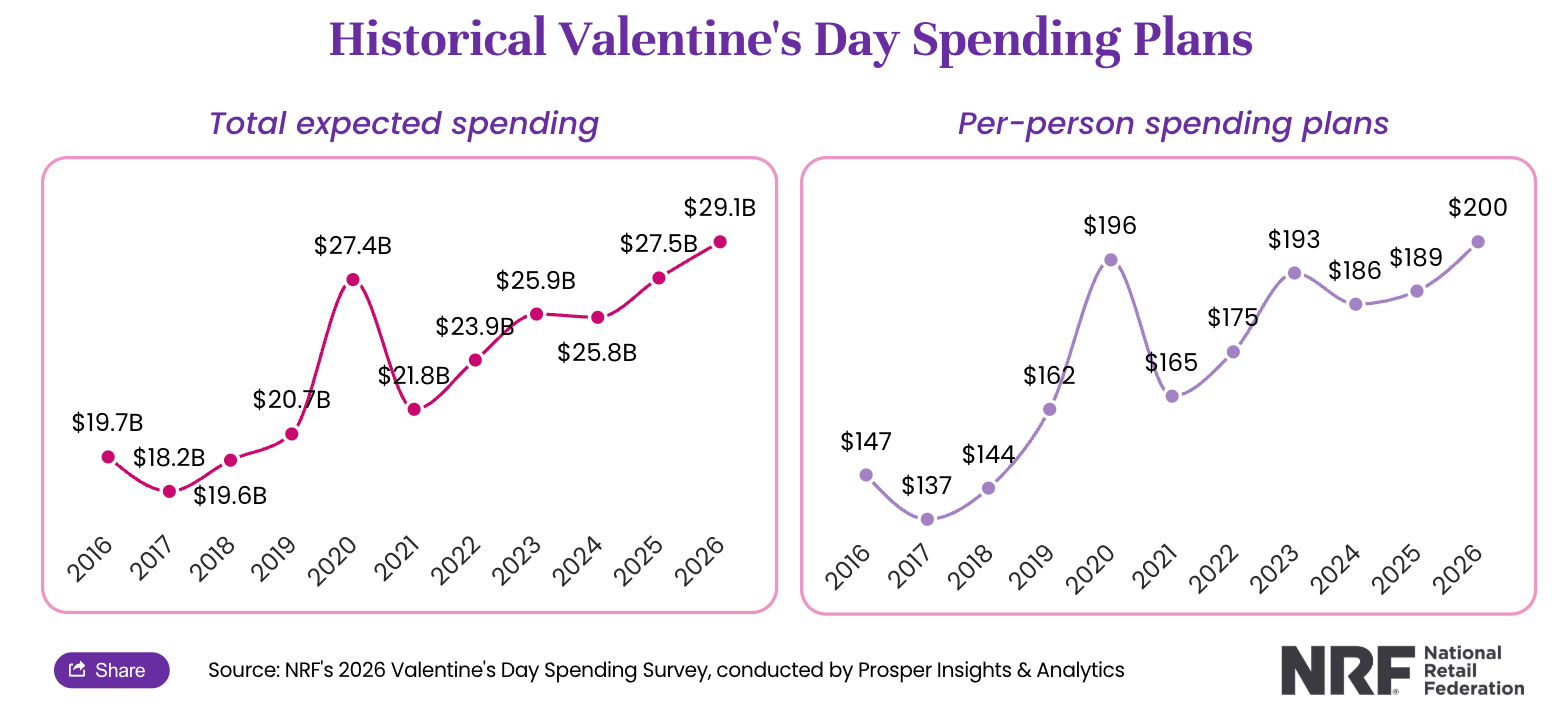
Key signals operators should watch:
Total spending is expected to surpass last year’s record, with consumers planning to spend over $25 billion overall.
Average per-person spending continues to climb as shoppers prioritize experiences, dining, and thoughtful gifting over generic purchases.
Categories like jewelry, experiences, and personal gifts continue gaining share, while e-commerce remains a primary purchase channel.
The broader signal here is that consumers are still willing to spend, but they’re becoming more selective about where money goes.
💡Operator takeaway: Seasonal moments still drive real demand, but brands winning these windows plan early, merchandise intentionally, and make discovery frictionless across paid, organic, and lifecycle channels.

One tool, one brand, one agency to watch out for this week.

A digestive health brand proving that solving an everyday problem well can unlock serious strategic value.
Wonderbelly just landed a nine-figure acquisition by Procter & Gamble, marking a major exit for a modern wellness brand built through DTC momentum and strong customer loyalty.
What makes Wonderbelly interesting from an operator lens:
They focused on a real, recurring consumer problem, turning digestive relief into a repeat purchase category rather than a one-off solution.
They built trust and customer love before chasing aggressive expansion, creating predictable retention and strong word of mouth.
Consistent repeat behavior and clean positioning made them an attractive acquisition target for legacy CPG looking for modern consumer brands.
This is another example of the modern CPG playbook: build loyalty and repeat usage first, then let scale and strategic buyers follow.
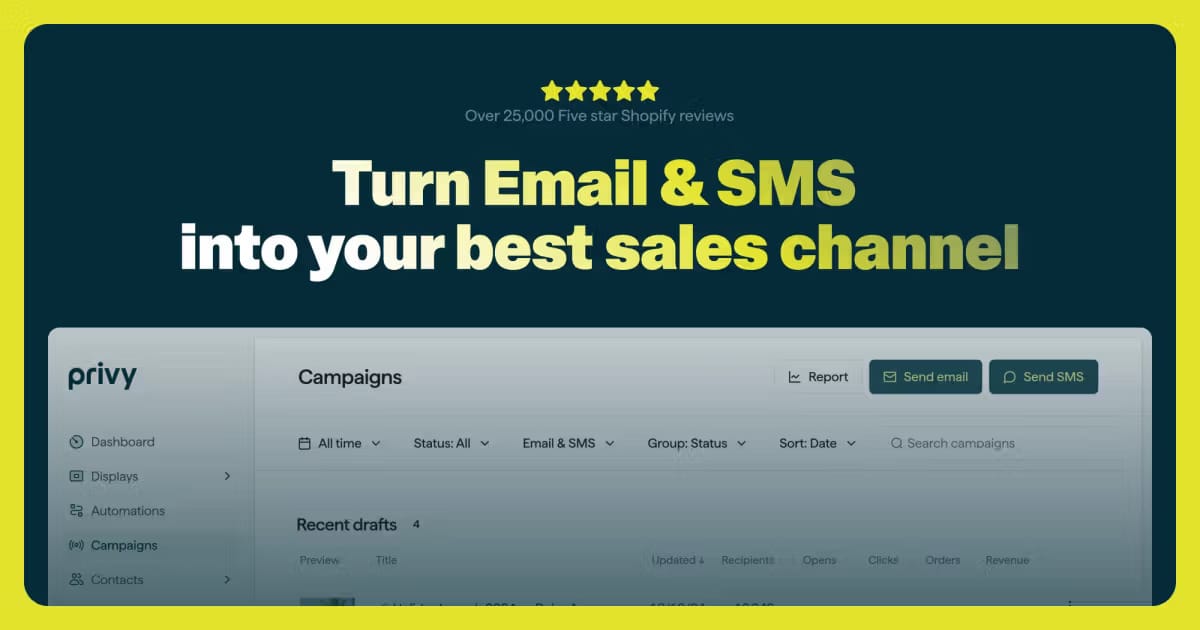
An all-in-one conversion and retention platform helping ecomm brands capture more subscribers and turn traffic into repeat buyers without stacking multiple tools.
What makes Privy useful from an operator lens:
High-converting onsite capture: Popups, banners, and exit-intent offers that grow email and SMS lists without heavy setup.
Automated lifecycle flows: Launch welcome series, cart recovery, and post-purchase messaging quickly using prebuilt templates.
Email + SMS in one place: Run campaigns and automations together instead of stitching separate platforms.
Built for lean teams: Fast setup and easy management make it especially useful for brands without large lifecycle or dev teams.
Why this matters in your stack:
Adding tools like Privy can materially improve how much revenue you generate from traffic you’re already paying for. Better capture plus automated lifecycle messaging means fewer lost visitors, more recovered carts, and stronger repeat purchase behavior without increasing ad spend.
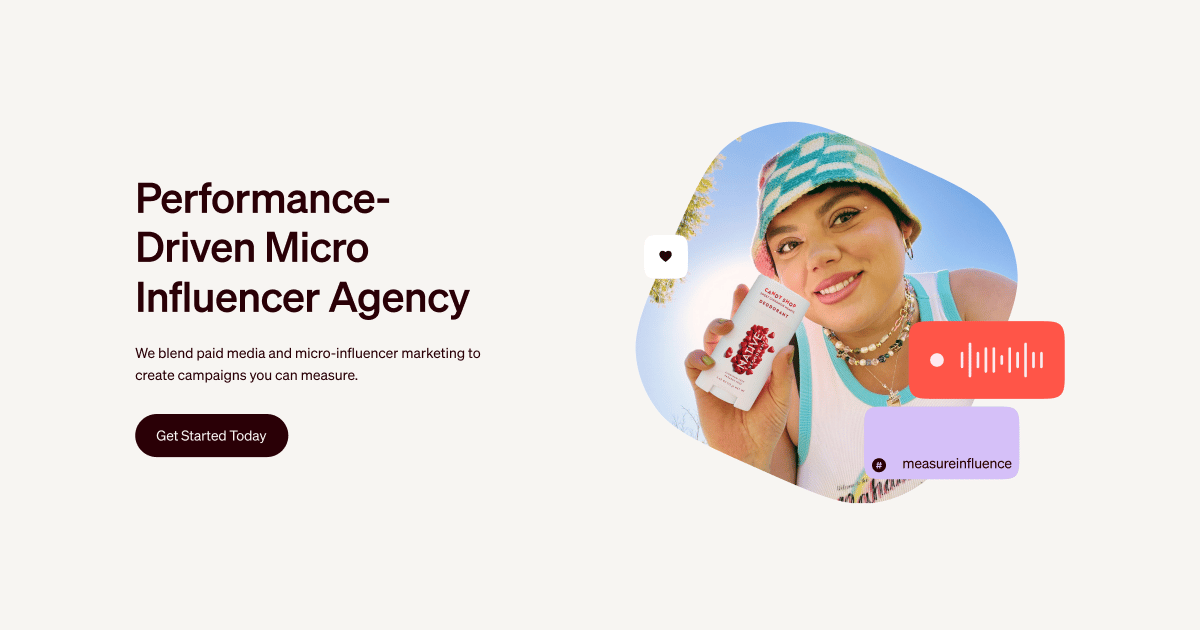
A performance-focused influencer marketing agency helping DTC brands turn creator partnerships into measurable growth, not just impressions.
What makes inBeat useful from an operator lens:
Creators that convert: Focused on sourcing and activating creators who drive real clicks, conversions, and revenue, not just reach.
Built for modern platforms: Deep expertise across TikTok, Instagram, YouTube, and emerging social channels where discovery actually happens today.
Performance-minded execution: Programs are structured around testing, scaling winners, and tying creator efforts back to business results.
Scale without operational headaches: inBeat handles sourcing, creator relationships, and campaign execution so internal teams stay lean.
How they help brands level up:
Instead of one-off influencer campaigns, inBeat helps brands build repeatable creator programs that consistently fuel acquisition, social proof, and performance marketing.
If creators are already part of your growth strategy, the next step is making them a predictable acquisition channel, not a one-time experiment.
At 1800DTC, we spotlight the real builders behind the tools and brands featured on our site and the DTC players putting those tools to work. Let’s collab:
List your brand on 1800DTC to show off your incredible tech stack.
Have an inspiring journey about building your brand? Get featured in our Under The Hood interview series and share how you’re scaling, innovating, and winning.
List your tool on 1800DTC today to show off your brands and become a Friend’s Rates member. Sign up today.
Want to share the story behind your tool and how it's changing the DTC space? Fill out our founder questionnaire to get featured in our Behind The Tool interview series!


Everything you need to build a better DTC brand, business and tech stack.