🚨 Signals from 1800DTC: your retailer is now your biggest competitor, Gen Z's wellness obsession, and two big exits
The Kirkland energy drink just rewrote the CPG playbook. Are you on the hit list?


.bh__table, .bh__table_header, .bh__table_cell { border: 1px solid #C0C0C0; }
.bh__table_cell { padding: 5px; background-color: #FFFFFF; }
.bh__table_cell p { color: #2D2D2D; font-family: 'Helvetica',Arial,sans-serif !important; overflow-wrap: break-word; }
.bh__table_header { padding: 5px; background-color:#F1F1F1; }
.bh__table_header p { color: #2A2A2A; font-family:'500' !important; overflow-wrap: break-word; }
This week the signals are coming from two directions at once.
Costco launched a Kirkland energy drink and Celsius lost nearly 20% of its market cap in five days. One retailer, one private label launch, and a leading brand watched a fifth of its value evaporate. That's not a warning shot. That's the new playbook. If your product's value proposition can be read off a nutrition label, your biggest retail partner might be your next competitor.
On the other side, the exits are happening for founders who built real businesses. Advent acquired Salt & Stone. Henkel acquired Olaplex for $1.4 billion. Both brands had something a store label can't replicate: community, professional credibility, and a reason to exist that lives outside the ingredient deck.
The contrast between those two stories is the whole conversation right now. Let's get into it.

Is your CPG product on the private label hit list?
Costco quietly launched a Kirkland energy drink last week. 200mg caffeine, zero sugar, three flavors, about $19 for a 24-pack. Go price a 12-pack of Celsius on Walmart and you'll land around $18. Roughly half the cost per can.
Celsius stock dropped nearly 20% in five days.
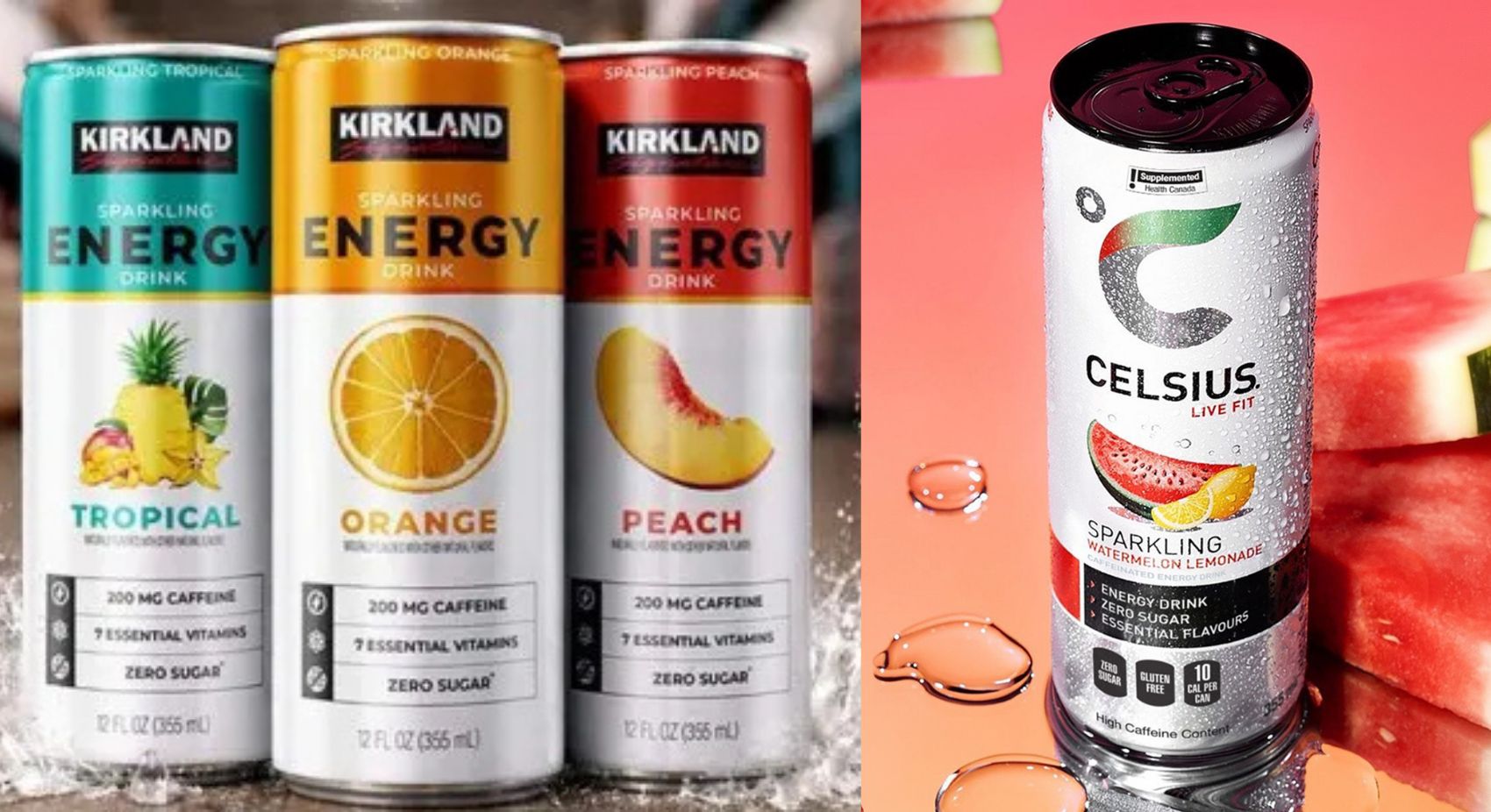
Retailers aren't just private-labeling commodity products anymore. They're targeting the fastest-growing, highest-margin categories in food and beverage with packaging and positioning that looks like a real brand. Clean label claims, premium design, bold flavors. The consumer doesn't feel like they're trading down because by most measures they're not. And with brand loyalty among grocery shoppers roughly halving over the past year, they have less reason to pay the premium.
The uncomfortable question for any CPG founder: what is the actual reason a consumer chooses your product over a store brand at half the price? If the honest answer is the ingredient spec, that's a problem. Retailers have the same contract manufacturers, the same trends data, and significantly more shelf leverage.
Compare that to Olaplex. Henkel just paid $1.4 billion for it. Not because the formula can't be replicated, but because the brand spent years building genuine loyalty with professional stylists before expanding to retail and ecommerce. That professional community became a moat no private label could touch.
The contrast tells the whole story. Celsius had a spec sheet. Olaplex had a relationship.
Operator Takeaway: IYour retail partner is also your potential competitor. The brands that survive are the ones building community and credibility that can't be replicated at the store brand price point.
🚨CALLING ALL BRANDS🚨
We’re scaling our directory faster than ever before and want you listed. If you’re working at a brand, click the image below to get set up in our community.

What’s the vibe across the DTC ecosystem right now?
Salt & Stone: What a Premium DTC Exit Actually Looks Like
Advent International just acquired a majority stake in Salt & Stone, the LA-based body care brand founded by former professional snowboarder Nima Jalali. Terms weren't disclosed, but the brand did $165M+ in revenue in 2025 with double-digit growth across all channels. They sell a deodorant every five seconds.
What makes this worth unpacking isn't just the exit. It's the architecture behind it.
Salt & Stone is 40% DTC across the US, Canada, and UK. That means they own the customer relationship, the data, and the margin on nearly half their business. The rest is premium retail through Sephora globally and Amazon, where their deodorant ranks number one. That's not a brand that drifted into retail when DTC slowed down. That's a brand that built the DTC engine first and used retail to amplify it.
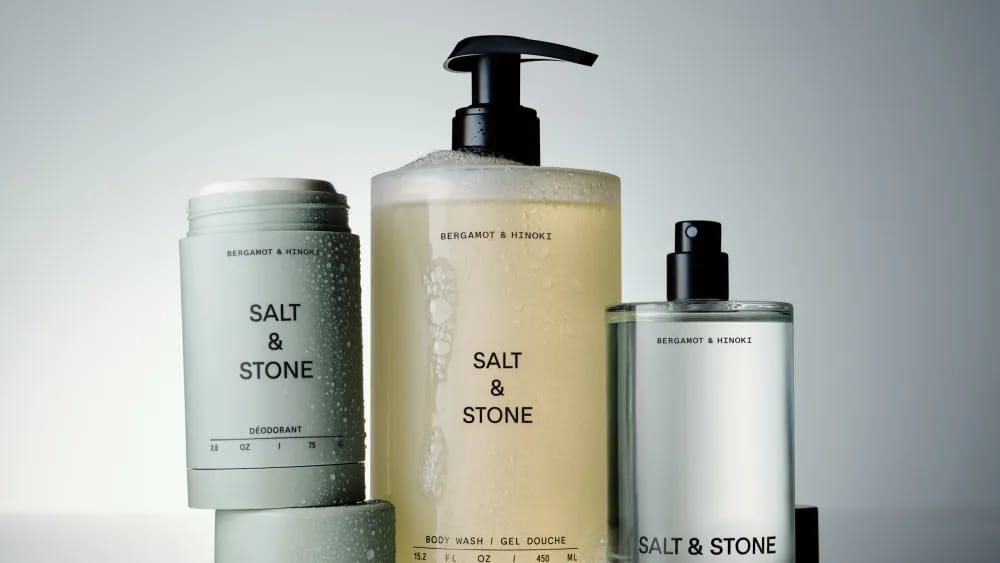
The founder is staying on. So is the president and CMO. Advent specifically pointed to the brand's community and authentic purpose as what set it apart. That language usually gets filtered out of PE press releases. The fact that it's front and center here tells you something about what actually drove the valuation.
For operators watching from the sidelines: this is what the acquirable DTC brand looks like in 2026. Meaningful DTC percentage, premium retail presence layered on top, a founder with staying power, and a product that earns loyalty for reasons that can't be replicated by a store brand.
💡 Operator takeaway: The formula for a premium exit right now is the same one it's always been: build the direct relationship first, use retail as distribution, and make sure the brand has a reason to exist that lives outside the product spec. Salt & Stone did all three.

We’re data nerds so you don’t have to be. Each week we’ll bring you some data to chew on with The Data Drop.
Gen Z and Millennials aren't just buying wellness products. They're optimizing.
New data from Afterpay's spring trend report analyzed US consumer purchases from January through mid-February versus the same period in 2025. The numbers on the wellness side are hard to ignore.
Under-eye patches: up 417%. Magnesium supplements: up 417%. Creatine: up 383%. Health care supplements broadly: up 319%. Infrared sauna blankets: up 204%.
The report describes a consumer archetype they're calling "The Wellness Junkie" and the framing is telling. This isn't about health trends in the traditional sense. These shoppers are treating self-care as systematic optimization. They want products that make them feel sharper, stronger, and more in control. Measurable results. Performance and prevention over aesthetics.
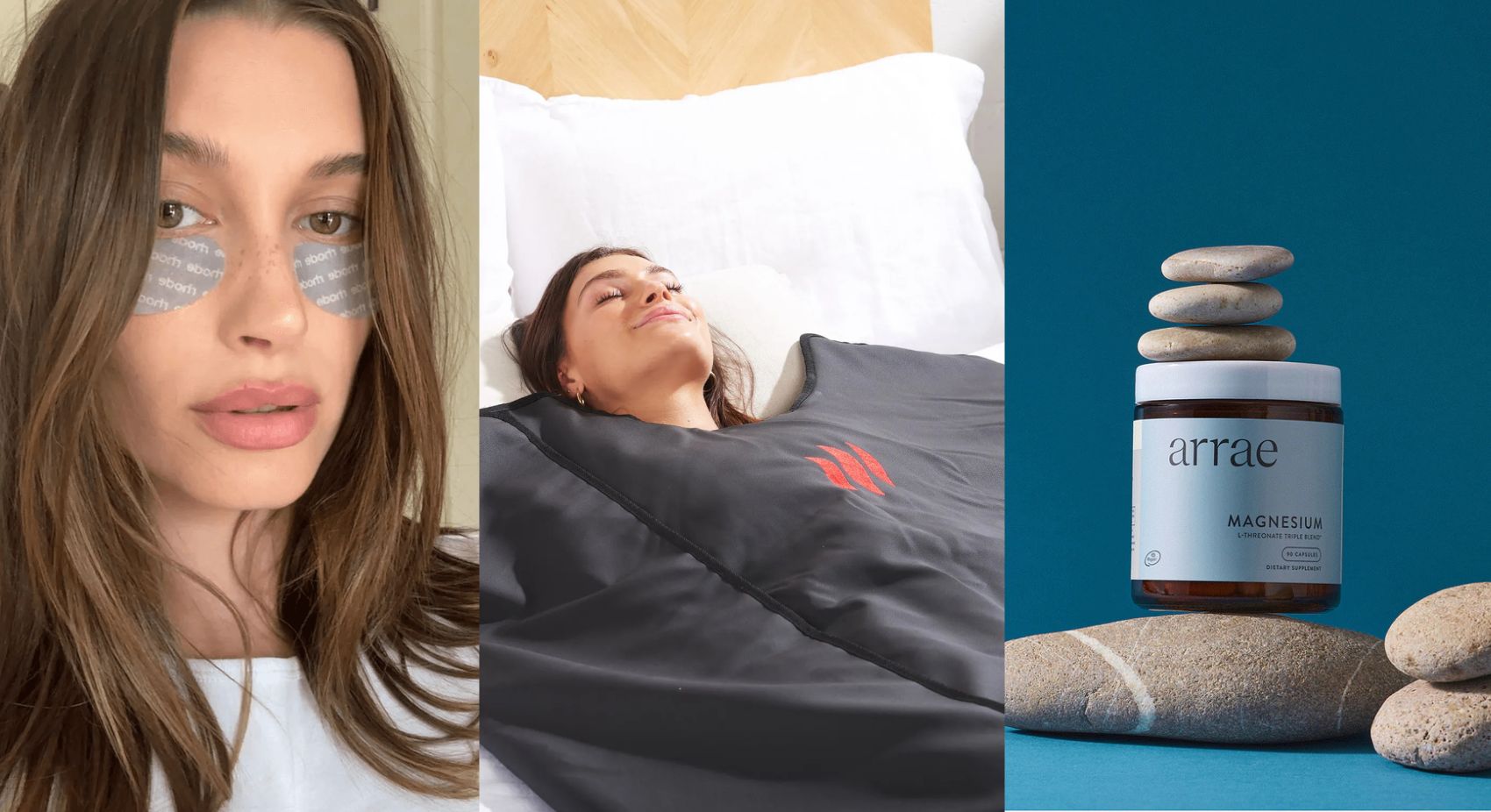
Gen Z is embracing supplements and skincare as part of their daily routines earlier than any previous generation. Millennials are doubling down on the biohacking movement. The demographic lines are blurring. Culture and identity are driving purchasing decisions more than age cohort.
For CPG and wellness brands, the key signal here is that this consumer responds to improvement narratives, not just ingredient claims. They want to know what the product does to them, not just what's in it.
Two other archetypes from the report are worth flagging. "The 2016 Nostalgia Seeker" is driving a 369% increase in low-waisted skirts and significant jumps in throwback silhouettes. And "The Main Character" is pushing maximalist spending: fur coats up 218%, statement earrings up 164%, chunky gold necklaces up 30%. Bold, expressive, shareable.
💡 Operator takeaway: The wellness consumer in 2026 wants to feel the product working. If your marketing leads with ingredients instead of outcomes, you're speaking the wrong language to your fastest-growing audience.

One tool, one brand, one agency to watch out for this week.
Brand Spotlight: Nopalera
A culture-forward founder story that's proving Latin beauty is global business.
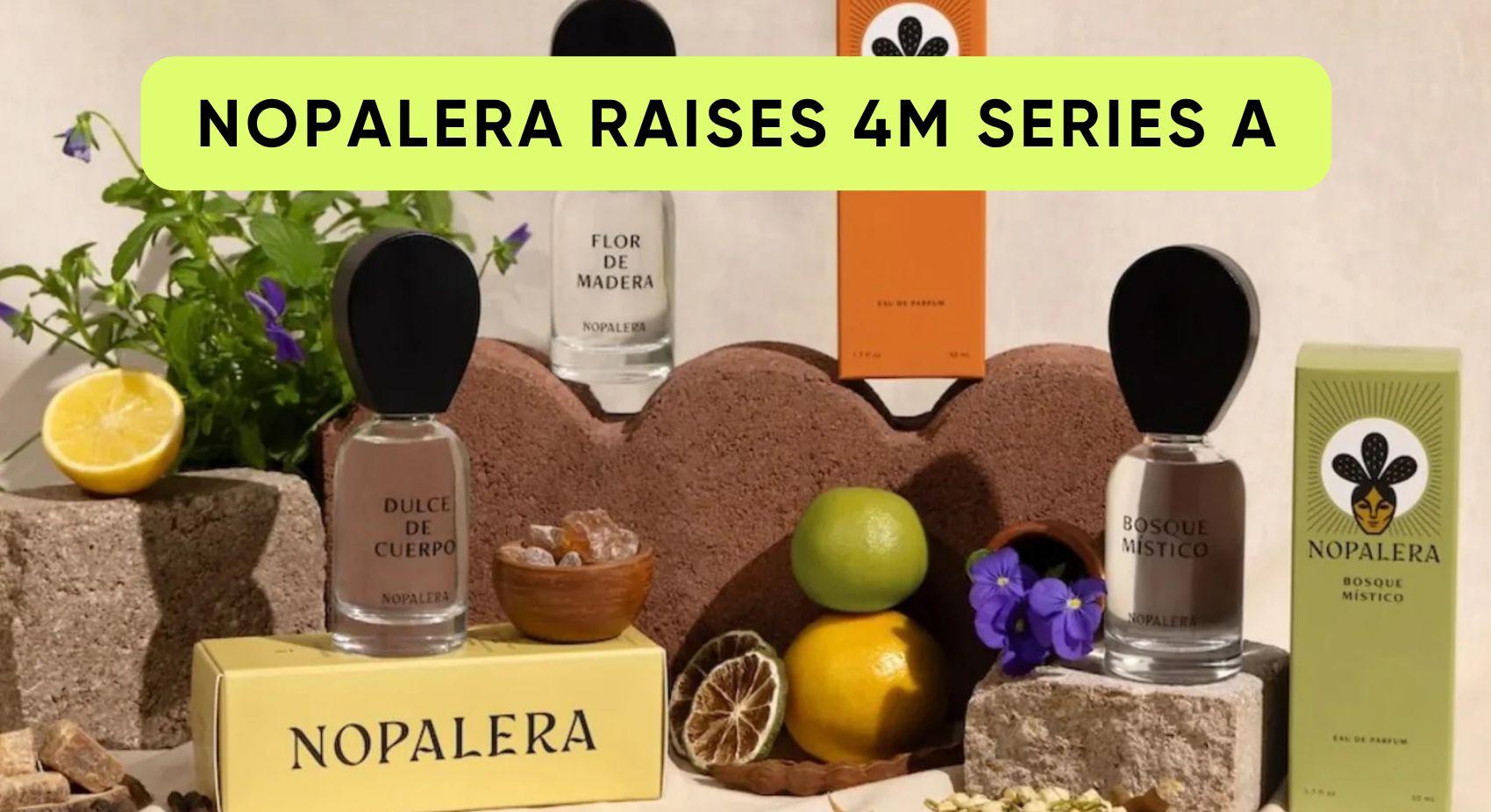
Sandra Velasquez just closed a $4M Series A for Nopalera, the Mexican-inspired body care and fragrance brand she launched in 2020 with $25,000 and a Shopify Capital loan. The round was led by Morgan Stanley's Next Level Fund and co-led by L'Attitude Ventures, which backed the seed round. The brand doubled revenue from 2024 to 2025. Fragrance now accounts for half of total sales.
What's coming: Nopalera is rolling out to 150 Costco doors this summer. Retail currently accounts for 39% of sales, DTC is 55%, and Amazon makes up the remaining 6%. That DTC majority matters. It means the brand has real customer data and relationship infrastructure before going wide at Costco, which is exactly the sequencing that gives brands leverage at scale.
The founder's framing is sharp. She's building a legacy brand that treats Latin culture as aspirational rather than niche, and she's proving the market agrees. This is one to watch for how the Costco rollout performs and whether the DTC foundation holds the brand identity together at mass scale.
In the Toolkit: Northbeam
The attribution platform for brands who need to know what's actually driving revenue, not just what the platforms say.
When you're spending six figures a month across Meta, Google, TikTok, and beyond, platform-reported ROAS is a fiction. Every platform takes credit for the same conversion and you end up with numbers that don't add up and budgets allocated on vibes. Northbeam fixes that.
It's a marketing intelligence platform built on first-party data and machine learning that gives DTC brands a single, independent source of truth across every paid channel. Multi-touch attribution, media mix modeling, creative-level analytics, and profitability benchmarks all in one place. The platform currently tracks over $25 billion in ad spend across 800+ companies. Their clients' CFOs check it every morning.
One thing worth being honest about: this is not a tool for early-stage brands. Northbeam is purpose-built for DTC brands spending $50K+ per month across multiple channels who need the depth of modeling to justify where every dollar goes. If you're at that scale and still relying on platform dashboards to make budget decisions, this is the upgrade worth looking at.
Agency Assist: Make Waves
The creative growth agency that thinks like an operator and executes like a brand.
Make Waves is a San Diego-based creative growth agency operating at the intersection of culture, commerce, and content. Their client list says a lot: AG1, True Classic, BYLT Basics, Blenders Eyewear, Rolex. They helped True Classic scale paid social and creative into one of the fastest-growing DTC apparel stories of the last few years.
What sets them apart from a typical performance shop is the approach. They build brand equity and drive revenue at the same time, rather than treating them as separate workstreams. For brands at the stage where paid social is working but the creative is starting to feel flat or the brand identity isn't coming through in the ads, this is the team worth talking to.
Are you DTC (Down To Collab)?
At 1800DTC, we spotlight the real builders behind the tools and brands featured on our site and the DTC players putting those tools to work. Let’s collab:
For Brand Founders:
- List your brand on 1800DTC to show off your incredible tech stack.
For Tool Founders:
- List your tool on 1800DTC today to show off your brands and become a Friend’s Rates member. Sign up today.
Newsletter
· weekly DTC intelligence