Well, well, well. The DTC world decided to have a week.
Quince just raised $500M at a $10.1 billion valuation, officially becoming the biggest DTC funding story we've seen in years. For a brand built on cutting out the middleman and selling cashmere sweaters at prices that make your accountant suspicious, that's a pretty strong statement that the DTC model isn't dead.
It just needed to stop burning cash on Facebook ads and start actually making things. 🫠
Meanwhile, the battle lines are being drawn on who owns the checkout when an AI agent walks into a store. Amazon went to court to block Perplexity's shopping agent. Shopify is building the welcome mat. Two very different bets on the same future. More on that below.
On the CPG side, the big guys are finally blinking. PepsiCo, General Mills, Kraft Heinz all signaled hard pivots toward volume growth after years of price hikes.
Translation: consumers got tired of paying $7 for a bag of Doritos, and now everyone's scrambling.
If you're a scrappy brand with a better value prop, this is your window.
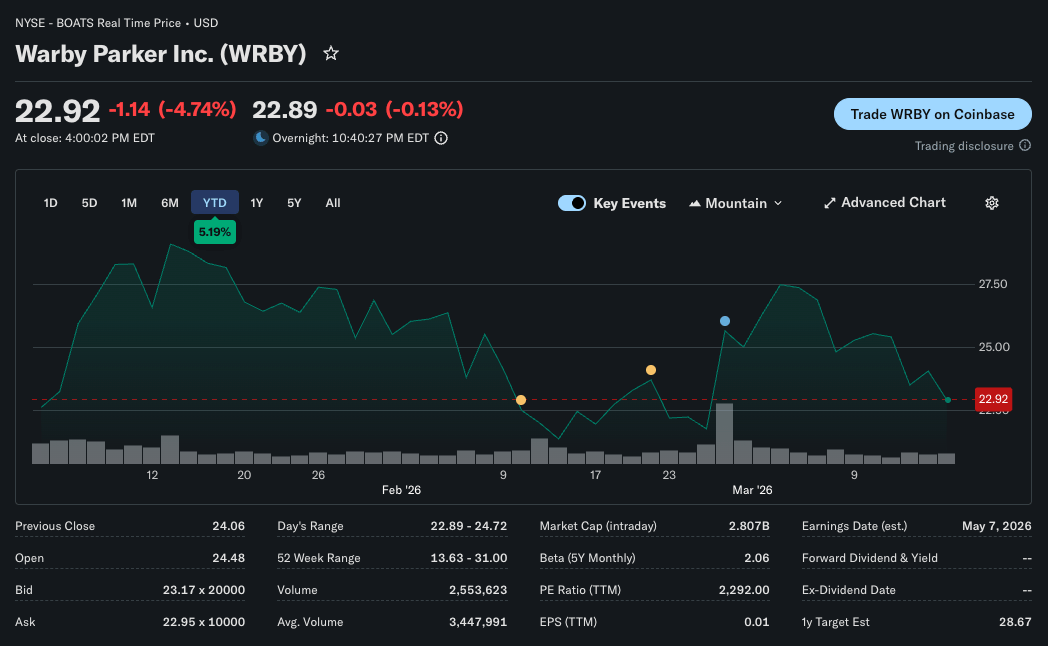
Oh, and Warby Parker posted its first full profitable year. In this economy. We'll drink to that.
🚨CALLING ALL BRANDS🚨
We’re scaling our directory faster than ever before and want you listed. If you’re working at a brand, click the image below to get set up in our community.
Your weekly look at the DTC brands setting the bar and what operators can learn from their playbook.
Two Sides of the Same Coin: Quince's $10B Bet and Warby Parker's Quiet Victory
This week gave us two DTC stories that look nothing alike on the surface but tell the same fundamental truth about what works right now.
Quince closed a monster $500M Series E led by ICONIQ, pushing its valuation to $10.1 billion. The brand has been quietly building a manufacturer-to-consumer model that skips traditional retail markup entirely.
No wholesalers, no department stores, no brand tax. Just factories that make ‘high-quality goods’ and a website that sells them at prices that feel broken. Cashmere for $50. Organic cotton sheets for $40. The pitch isn't "luxury for less." It's "why were you paying that much in the first place?"
What makes Quince interesting isn't the fundraise itself. It's that this is a supply chain story masquerading as a brand story. While most DTC brands of the 2018-2021 era were spending 60%+ of revenue on paid acquisition and praying for repeat purchases, Quince built its moat in sourcing and logistics. The product margin is the competitive advantage. No amount of ad spend can replicate what they've built on the manufacturing side.
Warby Parker, on the other end of the spectrum, just posted its first profitable year with ~$872M in revenue. No splashy fundraise, no billion-dollar valuation bump. Just a brand that survived the DTC funding winter by doing something most of its peers refused to do: opening stores. Lots of them. Plus shop-in-shops inside Target.
The announcement gave the stock a nice bump after some fast declines earlier this year. Not enough momentum to maintain in the tough market though.
Regardless, profitable is huge. And sort of crazy it took this long.
Anyways, the lesson here is straightforward. Warby didn't abandon DTC. They evolved it. The brands that made it through 2022-2024 without imploding were the ones that stopped treating "direct-to-consumer" as a religion and started treating it as one channel among many. Physical retail isn't the enemy. Unprofitable growth is.
💡Operator Takeaway: The two winning DTC playbooks right now are (1) own your supply chain so deeply that your margin is your moat, or (2) go omnichannel before you're forced to. Sitting in the middle, dependent on paid social with no structural advantage, is where brands go to die.

Our favorite tools, agencies, tailored deals, and exclusive perks to help you optimize your DTC stack.
Deal of the Week: Dataships
Most Shopify brands lose half their paying customers at checkout — not because they don't buy, but because default consent collection fails to convert them into marketing subscribers.
| Dataships fixes that. Our AI consent optimization platform adapts every opt-in experience by buyer location, channel, and context — covering GDPR, CCPA, and 19 US state privacy laws automatically. YoungLA, Ruggable, and Laura Geller use Dataships to 2-3X their marketing consent rates. That translates directly to larger lists and more repeat revenue. Free A/B test, 5-minute install. |
🚨Friends Rate Discount: Free A/B Test — see your actual opt-in rate lift before committing
Dataships is a partner of 1800DTC. Let them know this newsletter sent you to receive the offer!
Presented by KeepCart
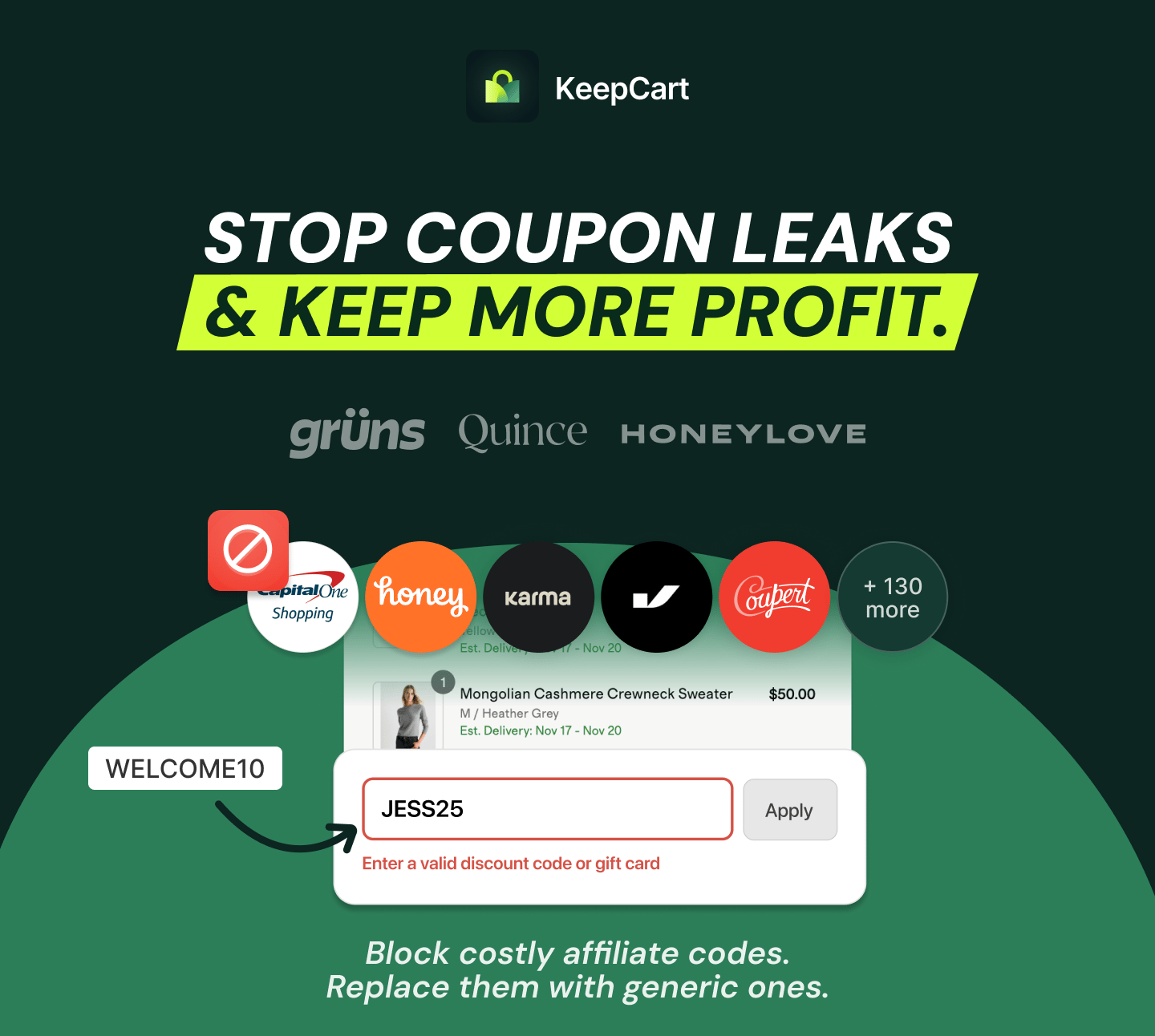
Block coupon code leaks to sites like Honey, CapitalOne, RetailMeNot, and more.
If a brand doesn’t catch the discount leak, sales can take a hit, losses can compound and attribution gets messy.
Enter KeepCart. Protect your checkout from more extensions than any other tool out there. With KeepCart, you can block coupon extensions at checkout and improve margins, still give your customers a discount, and skip the overpaying to affiliates & influencers.
KeepCart solves coupon leaks by tracking what sites your codes have leaked to. Stay on top of revenue losses and take back your margins with a clear, easy-to-understand dashboard.
Key Benefits
Block Honey, Capital One, and 125+ more extensions
Place a non affiliate/influencer code into their basket after blocking coupon extensions
Get alerted when a code leaks across 100+ sites & ChatGPT
Get codes removed from coupon sites - all on auto-pilot

The DTC world moves fast. These are the stories worth your attention. The ones showing where strategy, spend, and consumer trends are headed next.
Amazon vs. Perplexity: The Agentic Commerce Showdown
A federal judge temporarily blocked Perplexity's AI shopping agent from accessing Amazon to make purchases on behalf of consumers.
Amazon argued Perplexity accessed its platform without authorization. Perplexity is appealing, claiming the ruling hurts consumer choice. This is the first real legal test of "agentic commerce," and it sets the stage for a much bigger question: when an AI agent shows up to buy something for a consumer, does the retailer get to say no? Walmart and Target are reportedly taking a more cooperative approach, which tells you this isn't a settled question.
Harley Finkelstein Doubles Down on AI Shopping
On the opposite end, Shopify President Harley Finkelstein called agentic shopping a potential "new front door" for ecommerce sellers. Saying “We’re going to begin to use these agentic applications as these kinds of personal shoppers,” while speaking at Upfront Summit in Los Angeles.
Shopify is building tools (Sidekick, new checkout protocols) so AI agents can interact directly with merchant data. For smaller DTC brands struggling with product discovery, this could be massive. If AI agents become how consumers find and buy products, the brands that are optimized for agent-readiness early will have a real advantage.
David Protein Bar Slapped with Class-Action Lawsuit
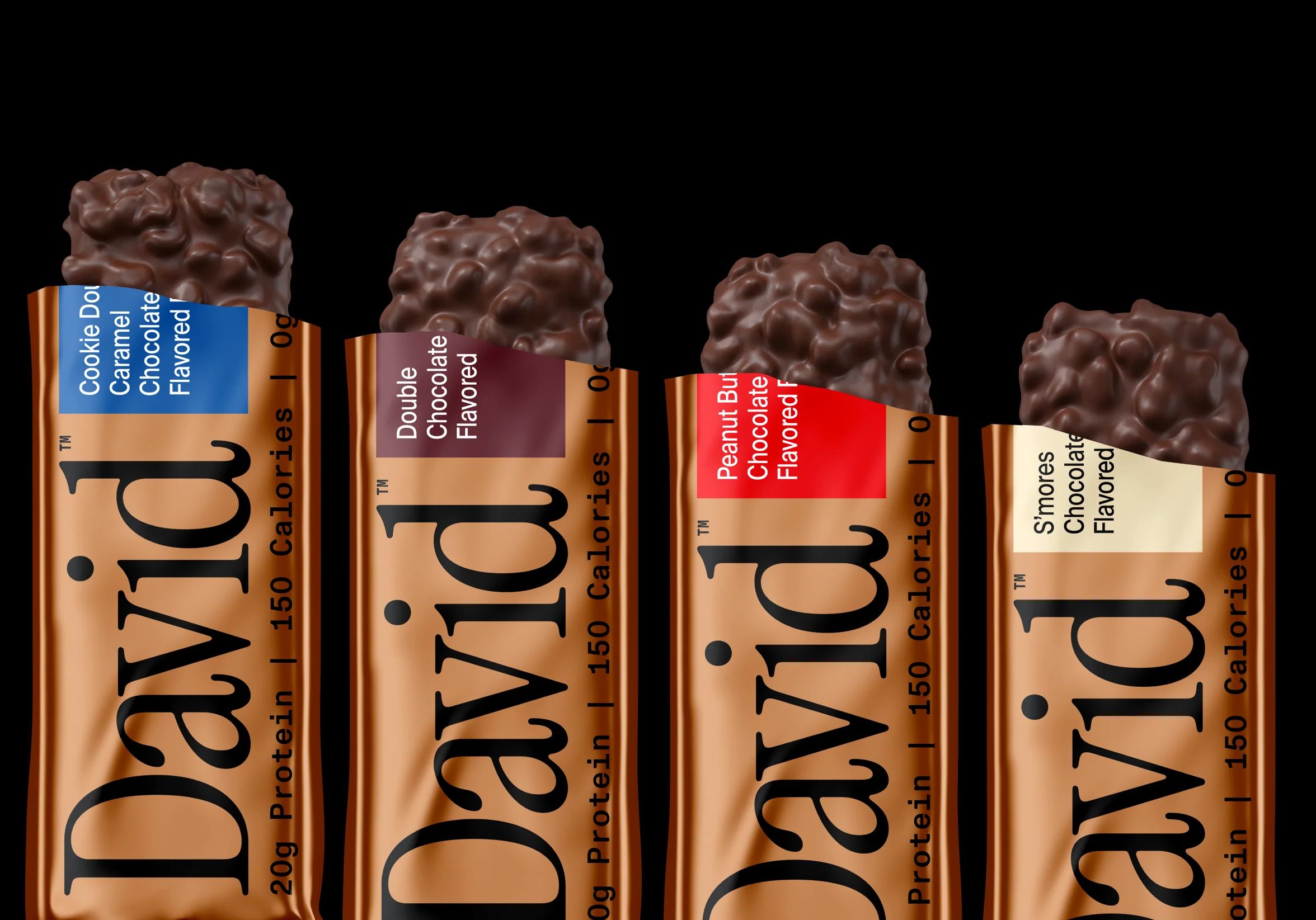
The viral protein bar beloved by gym bros and finance Twitter got hit with a class-action alleging the bars contain up to 83% more calories and 400% more fat than what's on the label. Independent testing reportedly found ~270 calories vs. the 150 claimed.
CEO Peter Rahal pushed back, saying the testing method doesn't account for EPG, a fat substitute that isn't fully metabolized. Regardless of how this shakes out legally, it's a brutal reminder for any CPG brand: if your nutrition claims sound too good to be true, someone will eventually test them.
Expo West 2026: Protein Everything, Functional Everything
The 45th annual Natural Products Expo West brought 3,000+ exhibitors to Anaheim. The natural and organic industry hit $342.1 billion in sales.
What was everywhere on the show floor: protein in coffee, protein in cookies, protein in soda. Functional mushroom drinks. Clean-label performance nutrition. Next-gen sweeteners like allulose. Elmhurst pivoted into "Clean Protein" RTDs, Dunkin launched a zero-sugar energy drink, and Heineken debuted a non-alcoholic beer. Beyond Meat expanded into functional beverages. If you're in CPG, the trend is clear: functional claims are table stakes now.
CPGs Are Slashing Prices
At the CAGNY conference, PepsiCo, General Mills, Kraft Heinz, and Mondelez all signaled they're cutting prices to win back volume after years of aggressive price hikes.
PepsiCo dropped prices on Lay's and Doritos. General Mills trimmed its fiscal 2026 guidance. When the biggest players in CPG start competing on value again, it reshapes the entire shelf. For DTC/CPG founders, this creates both risk (bigger competitors getting aggressive) and opportunity (consumers are clearly hungry for better value, and that's where insurgent brands thrive).
Klaviyo x Shopify Deepen Integration for Global Commerce
In vendor news, Klaviyo and Shopify expanded their product integration with a new feature called Locale Aware Catalogs.
It automatically syncs translated content, regional pricing, currency, and market-specific URLs into Klaviyo, so brands can run one global marketing strategy that dynamically adapts to each customer's market.
For any Shopify brand expanding internationally, this eliminates one of the biggest operational headaches: maintaining separate catalogs and workarounds for each region. Brands using both platforms together reportedly saw 73% revenue growth over three years, per an IDC study.
💡Operator Takeaway
The infrastructure for global, AI-powered commerce is being built right now. The brands paying attention to agentic commerce readiness, international localization, and defensible product claims will be in a fundamentally different position 12 months from now. The ones ignoring it will be playing catch-up.

Where operators show up IRL. The top community events and conversations happening right now.
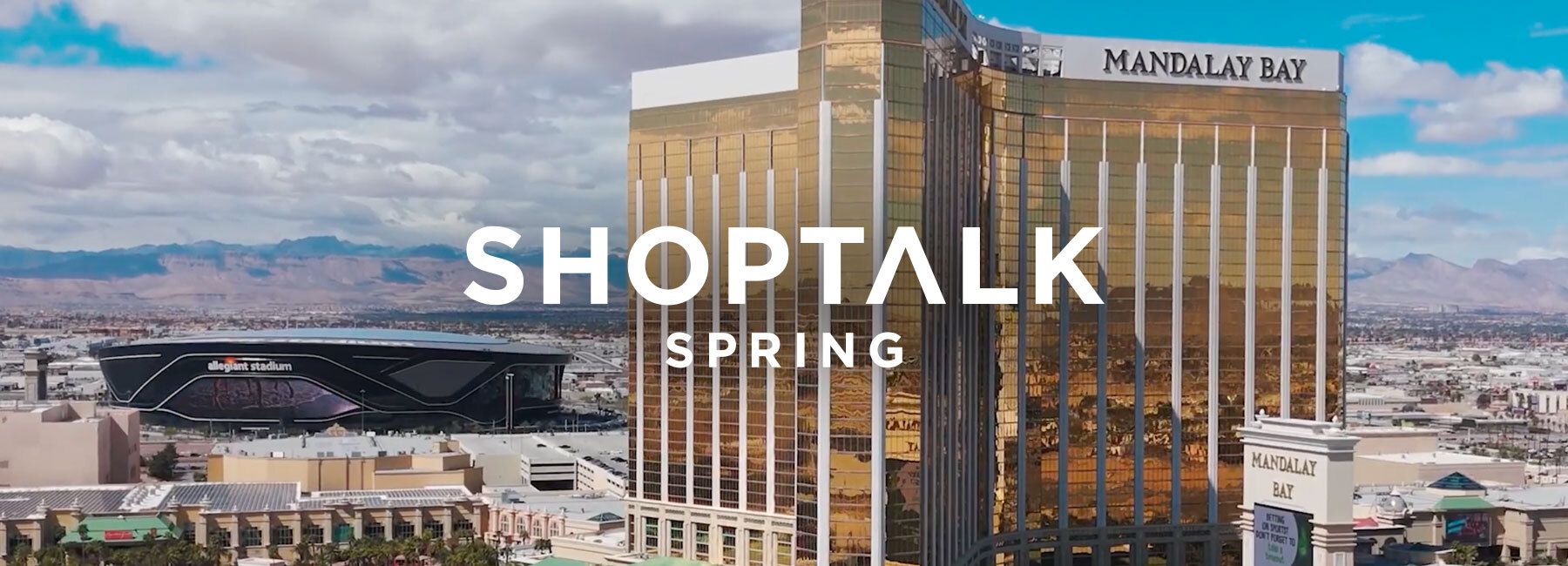
SHOPTALK Spring 2026 (Join Our Events)
The big one. 10,000+ attendees, 200+ speakers, and this year's theme is "Retail in the Age of AI." And we’re going ALL out this year - here’s our calendar of events for the week:
March 23rd (for brands): Topgolf Las Vegas – 1800DTC (link coming soon)
March 24-25 (for brands & vendors): Mandalay Bay Cabana
March 24th (for brands & vendors): Fight for Charity (our CEO is fighting, you don’t want to miss it)
March 25th (for vendors): 1800DTC Breakfast @ Shoptalk
March 25th (for brands): The Wild West Shoptalk Happy Hour
March 24-26, 2026 | In-Person | Mandalay Bay, Las Vegas
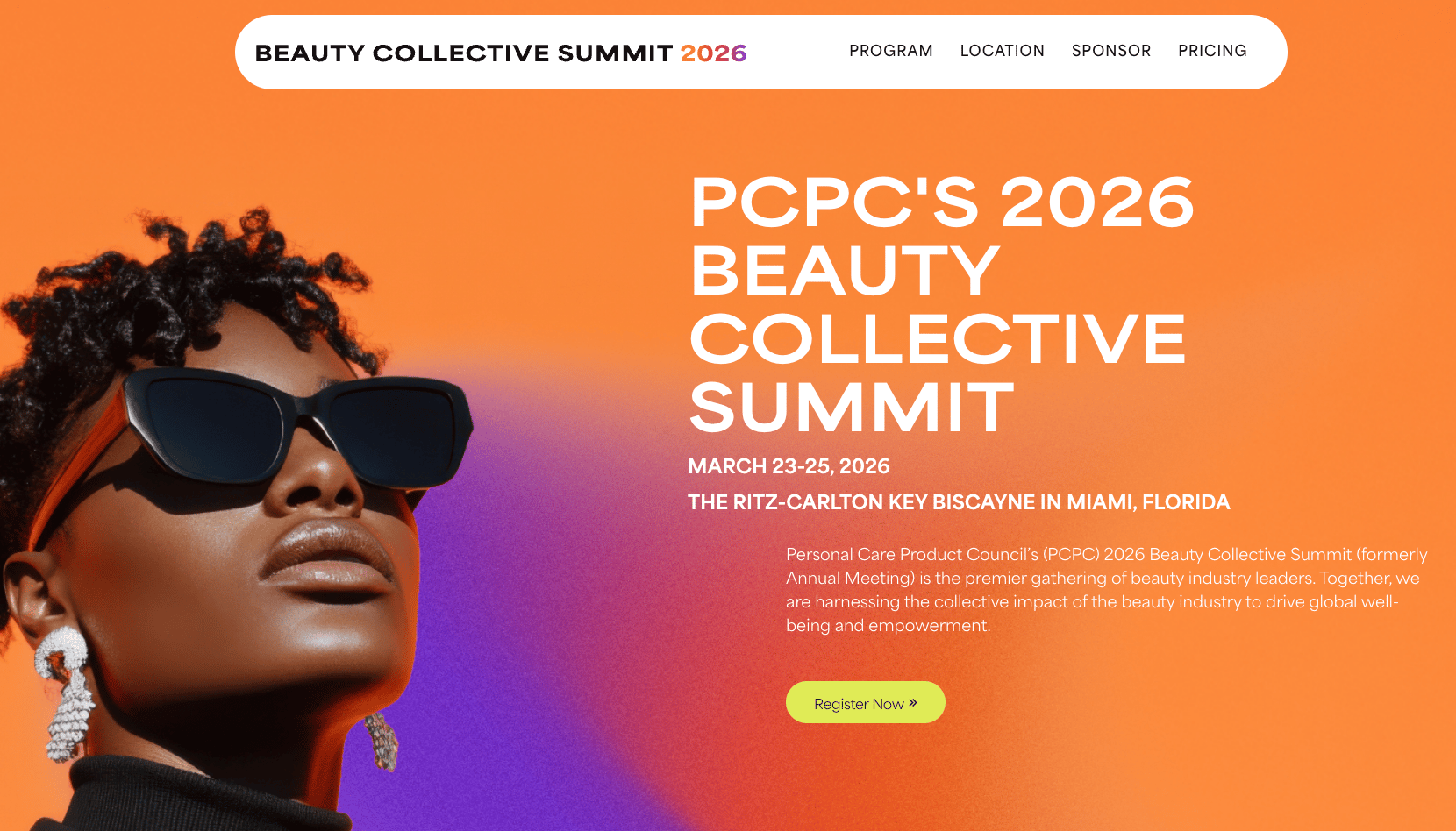
PCPC's 2026 Beauty Collective Summit
The premier gathering for beauty and personal care executives. Heavy on regulatory trends, AI tools, sustainability, and peer-to-peer networking in a resort setting. If you're in beauty/CPG at the leadership level, this is the room.
March 23-25 | The Ritz-Carlton Key Biscayne in Miami, Florida
Are you DTC (Down To Collab)?
At 1800DTC, we spotlight the real builders behind the tools and brands featured on our site and the DTC players putting those tools to work. Let’s collab:
For Brand Founders:
For Tool Founders:
Heads up! Our newsletter contains some affiliate links. We may earn a commission when these links are clicked at no extra cost to you. About Us.