













Home
Lifestyle

Direct-to-consumer (D2C) lifestyle brands have redefined the retail landscape by offering consumers a curated selection of products that resonate with their values and preferences. These brands prioritize authenticity, quality, and convenience. For instance, one notable D2C lifestyle brand specializes in sustainable fashion, producing clothing from eco-friendly materials and advocating for ethical manufacturing practices. Another brand focuses on home decor and furnishings, offering chic and affordable pieces designed to elevate living spaces. Additionally, some D2C companies cater to outdoor enthusiasts, providing high-quality gear and accessories for adventurers seeking both performance and style.
D2C lifestyle brands are important because they eliminate the need for traditional retail middlemen, enabling them to deliver unique and often eco-conscious products directly to consumers. They prioritize product quality, design, and ethical considerations, aligning with the evolving preferences of today's conscious consumers. With their curated offerings and tailored experiences, D2C brands have reshaped the way consumers engage with lifestyle products, making it more convenient and values-driven to enhance various aspects of their lives.

The Sculpd Pottery Kit contains everything needed for two people to sculpt, carve, paint and seal their very own pinch pots and plant pots.

Blenders Eyewear is a U.S.-based brand offering sunglasses and optical eyewear. The company designs bold, stylish frames at accessible price points. Their products are inspired by active and coastal lifestyles. Blenders Eyewear centers its brand around affordability and modern design.

Kick Push is an Australian skateboarding retailer offering skate gear and streetwear. The company sells skateboards, apparel, and accessories for the skate community. Their products are designed for both performance and street style. Kick Push centers its identity around skate culture and lifestyle.

Wildtrak is an Australian brand offering outdoor and camping equipment. The company produces gear designed for travel, camping, and outdoor adventures. Their products focus on durability and practicality for outdoor use. Wildtrak centers its brand around adventure and outdoor exploration.
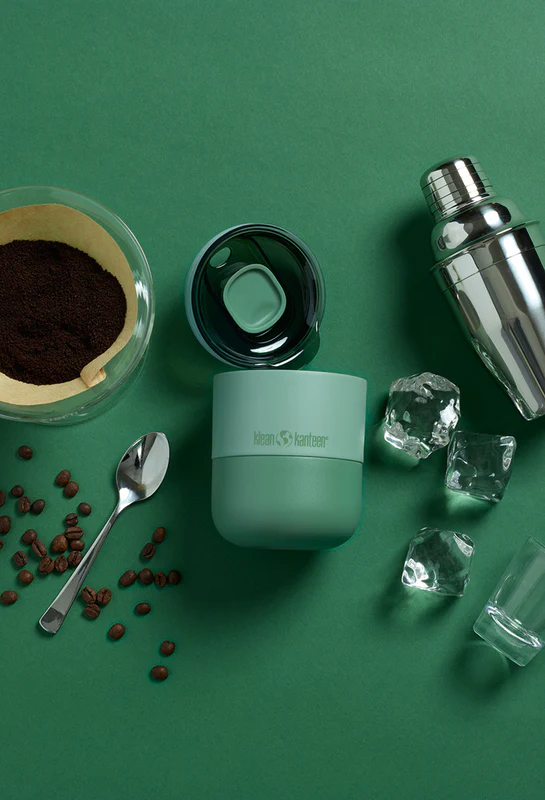
Klean Kanteen is a U.S.-based brand offering reusable water bottles and drinkware. The company designs stainless steel bottles built for durability and sustainability. Their products help reduce reliance on single-use plastic containers. Klean Kanteen centers its mission around eco-conscious hydration solutions.

Sticky is an Australian brand specializing in custom stickers and printed products. The company enables customers to create personalized designs for labels, stickers, and branding materials. Their platform focuses on high-quality printing and easy customization. Sticky centers its offering around creative self-expression and custom design.

Reader's Warehouse is a South African book retailer offering a wide selection of titles. The company sells fiction, non-fiction, children’s books, and educational literature. Customers can shop both online and through physical store locations. Reader's Warehouse focuses on providing accessible reading options for a broad audience.

Plug is a U.S.-based electronics retailer offering refurbished technology products. The company sells smartphones, computers, and gaming devices at reduced prices. Their model focuses on affordability and extending the life cycle of tech products. Plug centers its value around accessible and sustainable technology.

Pela is a Canadian brand offering environmentally friendly phone cases and accessories. The company designs products made from compostable and biodegradable materials. Their mission centers around reducing plastic waste through sustainable alternatives. Pela positions itself as a leader in eco-conscious tech accessories.

Miami Flower Store provides beautifully arranged floral bouquets and plant gifts for a variety of occasions. Their offerings include seasonal flowers, custom arrangements, and add-on items to elevate gifting experiences. The brand focuses on freshness, creative design, and reliable delivery throughout the Miami area. Miami Flower Store makes floral gifting simple and meaningful for celebrations and everyday moments.

Neotaryn Digital Craft delivers creative design solutions that help brands express their visual identity across digital platforms. Their services include branding, graphic design, and bespoke visual content tailored to client needs. The studio focuses on blending creativity with strategic design to support effective brand communication. Neotaryn Digital Craft appeals to clients seeking custom visuals that elevate digital presence.

Magic Stories presents a curated selection of products that evoke imagination, creativity, and whimsy for home and personal spaces. Their offerings include decorative items, curated gifts, and lifestyle pieces designed to inspire everyday delight. The brand blends artistic expression with functional designs that fit modern living. Magic Stories appeals to customers seeking meaningful and creative additions to their homes or gift selections.
A successful Direct-to-Consumer (DTC) lifestyle brand goes beyond merely selling products; it sells an experience, a set of values, and a way of life that resonates deeply with its target audience. Here are key elements that contribute to the success of a DTC lifestyle brand:
Successful DTC lifestyle brands have compelling narratives that connect with their audience on an emotional level. These stories often reflect the brand's mission, values, and the journey of its founders. Authenticity in storytelling helps build trust and loyalty among consumers, making the brand relatable and memorable.
Understanding the brand's target audience is crucial. Successful brands have a clear picture of their ideal customers, including their preferences, challenges, and aspirations. This knowledge enables the brand to tailor its products, messaging, and marketing strategies to meet the specific needs and desires of its audience.
A strong, consistent brand identity across all touchpoints — including product design, packaging, website, and social media — helps reinforce the brand's image and values. Consistency helps in creating a recognizable and cohesive experience for consumers, which is key to building brand recognition and loyalty.
While the lifestyle brand encompasses more than just its products, offering high-quality, innovative products is fundamental. The products should not only meet but exceed customer expectations, delivering on the brand's promises and contributing to the overall lifestyle the brand promotes.
A successful DTC lifestyle brand excels in creating an engaging, seamless online experience for its customers. This includes a visually appealing, easy-to-navigate website, active and engaging social media presence, and effective use of content marketing to communicate the brand's lifestyle and values.
Building a community around the brand is a powerful way to engage customers and foster loyalty. Successful brands often create spaces — both online and offline — for customers to connect, share experiences, and feel part of the brand's broader lifestyle. This sense of belonging can turn customers into brand advocates.
Consumers are increasingly looking for brands that align with their values, particularly regarding sustainability and social responsibility. Successful lifestyle brands often incorporate sustainable practices, ethical sourcing, and give-back programs into their business models, appealing to the conscientious consumer.
Offering personalized or customized products can significantly enhance the customer experience, making consumers feel unique and valued. This level of personalization can differentiate a brand in a crowded market.
Exceptional customer service and a focus on providing a positive customer experience at every touchpoint are essential. This includes everything from the user experience on the website to customer support and the unboxing experience.
Finally, successful DTC lifestyle brands are agile and responsive to market trends, consumer feedback, and data insights. They are continually iterating on their products, marketing strategies, and operations to better serve their customers and stay ahead of the competition.
Everything you need to build a better DTC brand, business and tech stack.