















Home
Beauty

Direct-to-consumer (D2C) beauty and makeup brands have revolutionized the cosmetics industry by offering innovative products and personalized shopping experiences. These brands prioritize quality, inclusivity, and sustainability. For example, one prominent D2C brand specializes in clean beauty, providing makeup and skincare products with natural and non-toxic ingredients, appealing to health-conscious consumers. Another brand stands out for its wide range of shades, catering to diverse skin tones and celebrating inclusivity. Additionally, some D2C companies prioritize sustainability by using eco-friendly packaging and promoting ethical practices in their supply chain.
D2C beauty and makeup brands are important because they cut out traditional retail intermediaries, allowing them to offer premium products at competitive prices. They also focus on product quality, inclusivity, and sustainability, aligning with the values and preferences of today's beauty-conscious consumers. With their unique features and tailored approaches, D2C brands have transformed the beauty industry, making it more accessible and sustainable for consumers.

Glamnetic is renowned for its innovative beauty solutions, offering a wide range of magnetic eyelashes and press-on nails designed for easy application and a secure fit. Their products are aimed at enhancing beauty routines with convenience and style, catering to diverse tastes and preferences in eyelash and nail aesthetics.

Jolie believes that beauty starts with clean water. The Jolie Filtered Showerhead removes chlorine, heavy metals & other contaminants from your shower water — to improve your skin, hair and wellbeing.
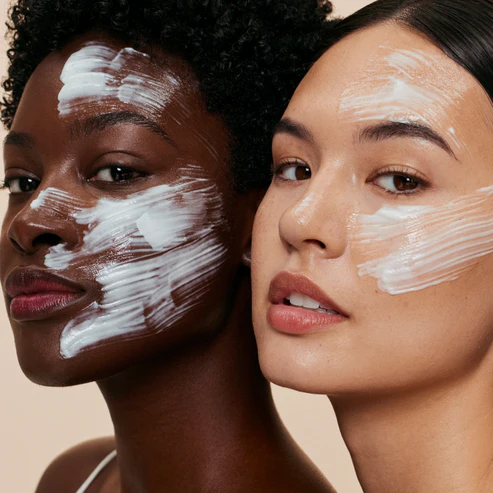
DIME Beauty is a U.S.-based clean beauty brand specializing in skincare products. The company offers serums, creams, and cosmetic essentials. Their formulas prioritize ingredient transparency and simplicity. DIME Beauty centers its approach around accessible and clean skincare.

WYN Beauty, founded by Serena Williams, offers a range of high-performance skincare products designed to empower and enhance natural beauty. Their collection includes innovative, cruelty-free formulations that address various skin concerns, promoting a healthy, radiant complexion.

Kulfi is celebrating South Asian beauty with fun and approachable beauty products designed to compliment our skin tones and undertones.

Tracie Martyn is a premium skincare brand known for its clean, non-toxic formulations and holistic approach to beauty. Co-founded by celebrity facialist Tracie Martyn, the brand combines natural botanicals with cutting-edge technology to deliver visible results without harmful chemicals. Their product range includes anti-aging serums, cleansers, masks, and moisturizers loved by celebrities and skincare enthusiasts alike.
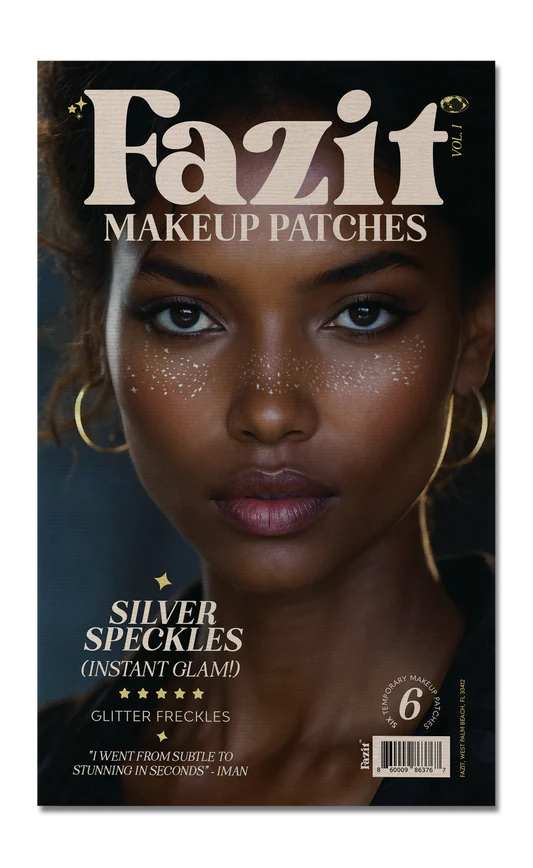
Fazit is a U.S.-based beauty brand offering skincare and cosmetic solutions. The company focuses on convenient products designed for quick and visible results. Their lineup includes innovative beauty treatments for everyday use. Fazit centers its brand around simplicity and effectiveness in skincare.

The Natural Glow provides skincare and beauty products formulated with natural ingredients to enhance skin health and vitality. Their range includes creams, serums, and moisturizers designed to support a glowing complexion. The brand focuses on simplicity, effectiveness, and clean formulations that feel gentle on skin. The Natural Glow appeals to consumers seeking beauty solutions rooted in nature’s best ingredients.

SHIFT provides natural deodorant solutions crafted from plant-based ingredients to support daily odor protection without synthetic additives. Their products are designed for effective long-lasting freshness while being gentle on sensitive skin. The brand’s formulations reflect a commitment to clean beauty and wellness-oriented self-care. SHIFT appeals to consumers seeking natural alternatives for everyday personal hygiene.

Sanda Beauty creates premium makeup and skincare products designed to enhance natural beauty and promote skin health. Their range includes foundations, lip products, eye makeup, and skincare treatments curated for everyday routines. The brand focuses on quality formulations that blend performance with skin-friendly ingredients. Sanda Beauty appeals to beauty lovers seeking accessible, everyday glam.
Creating a successful Direct-to-Consumer (DTC) beauty brand in today's competitive market requires a blend of strategic product development, savvy marketing, and an exceptional customer experience. Here are key factors that contribute to making a winning DTC beauty brand:
A winning DTC beauty brand clearly communicates its Unique Value Proposition—what sets it apart from competitors. This could be a focus on sustainability, a commitment to using all-natural ingredients, or innovative product formulations. The UVP should resonate with the brand's target audience and be reflected in every aspect of the business.
The core of any beauty brand is its products. Successful DTC beauty brands invest in research and development to create high-quality products that deliver on their promises. This includes efficacy, safety, packaging, and the overall user experience. Products should cater to the specific needs and preferences of the target demographic.
A compelling brand identity and storytelling are crucial. This involves a consistent and appealing aesthetic across all platforms, engaging content that tells the brand's story, and a tone of voice that connects with the target audience. Storytelling helps to build an emotional connection with customers, making them more likely to remember and choose your brand over others.
A winning DTC brand maximizes its online presence through a user-friendly website, strategic use of social media, and engaging digital marketing strategies. This includes SEO-optimized content, influencer partnerships, and targeted ads. The online experience should be seamless, from discovery to checkout, with mobile optimization being a key consideration.
Personalization enhances the customer experience by making shoppers feel valued and understood. This can include personalized product recommendations, customized packaging, or tailored beauty regimens. Advanced data analytics can help in understanding customer preferences and behavior, allowing brands to tailor their offerings accordingly.
Building a community around the brand can foster loyalty and advocacy. This can be achieved through social media engagement, loyalty programs, and by creating spaces for customers to share their experiences and connect with each other, such as online forums or beauty events.
Sustainability and ethical practices are increasingly important to consumers. A winning DTC beauty brand incorporates these into its business model, from sourcing ingredients and manufacturing processes to packaging and distribution. Transparency about these practices can further build trust and loyalty among consumers.
Efficiency in operations and having a responsive supply chain are essential for meeting customer demand and expectations. This includes effective inventory management, fast and reliable shipping, and the ability to quickly adapt to market changes or supply chain disruptions.
Everything you need to build a better DTC brand, business and tech stack.








.png)


