



















Home
Beauty

Direct-to-consumer (D2C) beauty and makeup brands have revolutionized the cosmetics industry by offering innovative products and personalized shopping experiences. These brands prioritize quality, inclusivity, and sustainability. For example, one prominent D2C brand specializes in clean beauty, providing makeup and skincare products with natural and non-toxic ingredients, appealing to health-conscious consumers. Another brand stands out for its wide range of shades, catering to diverse skin tones and celebrating inclusivity. Additionally, some D2C companies prioritize sustainability by using eco-friendly packaging and promoting ethical practices in their supply chain.
D2C beauty and makeup brands are important because they cut out traditional retail intermediaries, allowing them to offer premium products at competitive prices. They also focus on product quality, inclusivity, and sustainability, aligning with the values and preferences of today's beauty-conscious consumers. With their unique features and tailored approaches, D2C brands have transformed the beauty industry, making it more accessible and sustainable for consumers.
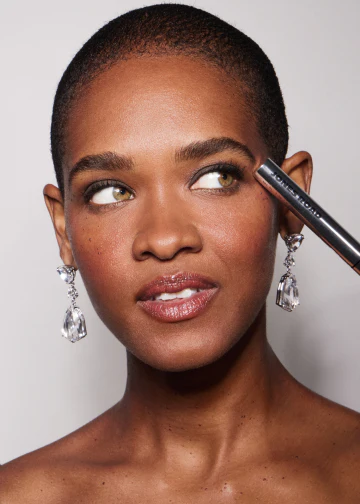
Jones Road is a clean beauty brand founded by makeup artist Bobbi Brown that sells high-grade, "no-makeup makeup" products for all skin types and tones. The brand emphasizes high-quality, clean formulations free of certain potentially harmful ingredients like phthalates, sulfates, and petrolatum. Their product range includes items such as foundation, tinted moisturizer, bronzer, and lip products.

Truly Beauty is a clean beauty brand that combines vegan ingredients with high-end actives to deliver real results. They offer a range of skincare, body care, and hair care products. These products are designed to nourish your skin and enhance your natural beauty. Truly Beauty focuses on creating products that look and smell great while being effective. All their products are cruelty-free and made with clean, high-quality ingredients.
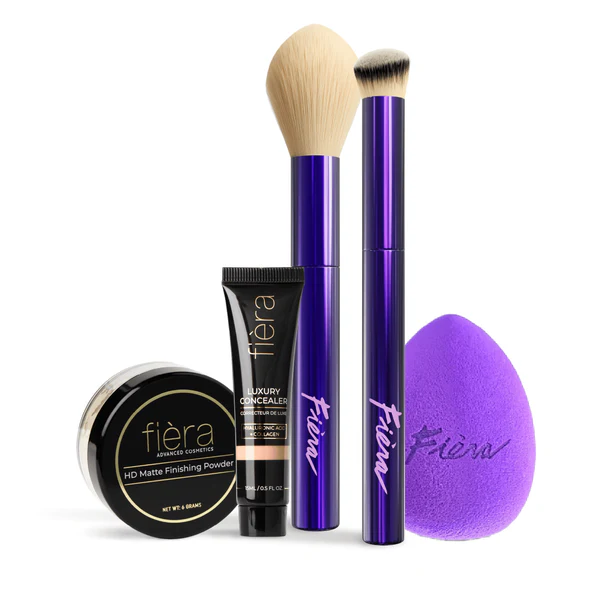
Fièra Cosmetics develops premium beauty and skincare solutions designed for women over 40, addressing unique skin needs with formulas that smooth fine lines, enhance radiance, and provide lasting coverage. Their product range includes concealers, serums, and finishing powders—all created to boost confidence and celebrate timeless beauty.
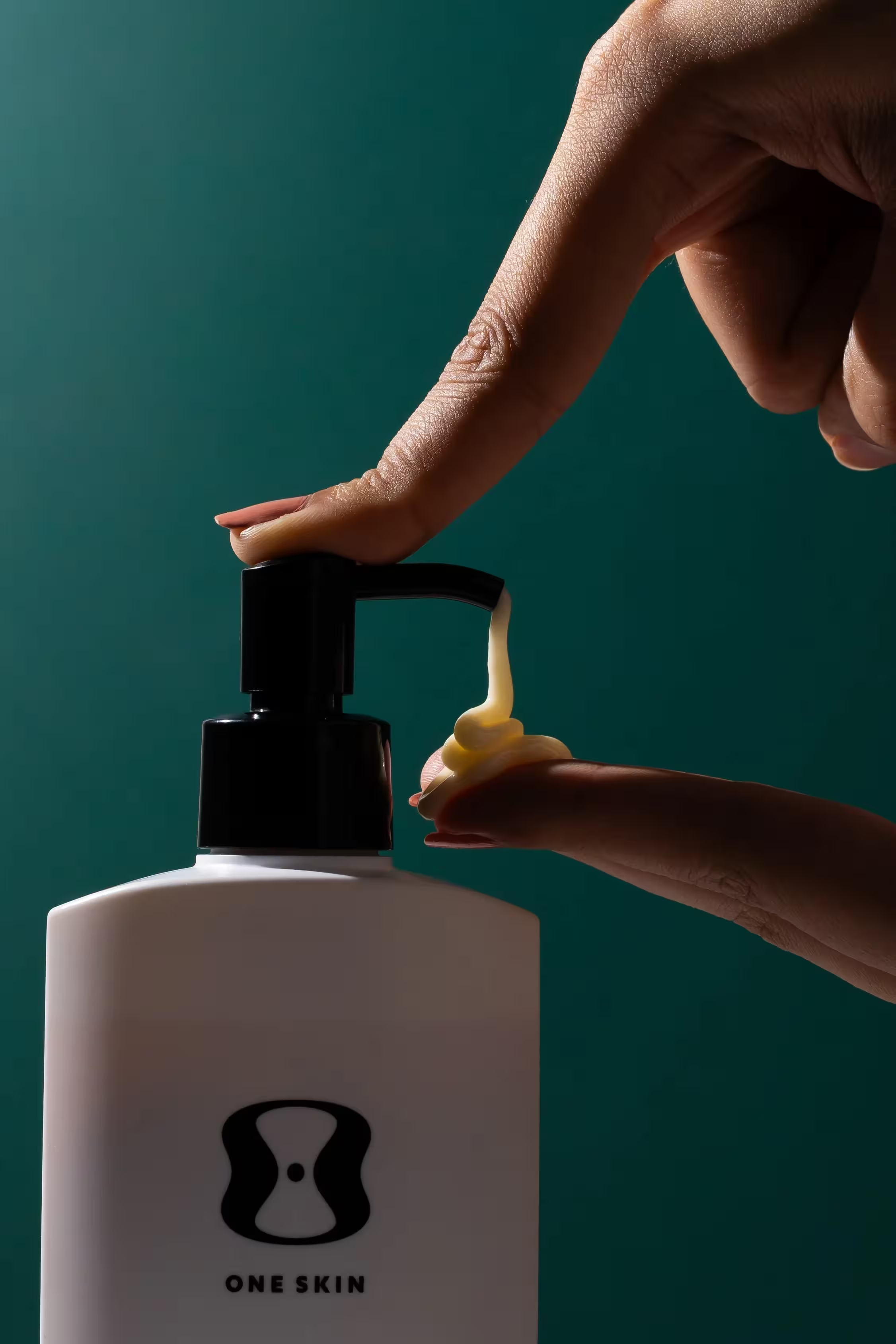
OneSkin is a science-driven skincare brand focused on extending skin health and longevity. Powered by its proprietary OS-01 peptide, OneSkin’s formulas target aging at the molecular level to improve skin strength, hydration, and appearance. Their minimalist, data-backed approach helps users achieve healthier, more resilient skin.

Tiege Hanley delivers uncomplicated, clinically formulated skincare kits for men through flexible monthly subscriptions, removing guesswork from routines. Each box includes essential products—such as face wash, moisturizers with SPF, and targeted treatments—designed for ease of use, visible results, and fragrance-free formulations suited to all skin types. With science-based routines, transparent pricing, and responsive customer support, Tiege Hanley empowers men to look and feel their best without the fuss

Revision Skincare is a medical-grade professional skincare brand founded in Irving, Texas, with over 40 years of experience developing clinically-validated, high-potency formulations rooted in pharmaceutical-grade research and testing. Sold exclusively through physicians, dermatologists, and aesthetic practices across 16+ countries, the brand's collection targets skin longevity, lines and wrinkles, firmness, texture, and sun protection — using only the purest, most efficacious ingredients, never tested on animals. Now owned by Gryphon Investors, Revision continues to grow as one of the leading independent brands in the physician-dispensed skincare category.

SŚAINT designs minimalist, gender‑neutral fragrances using ethically sourced, ocean‑inspired essences and sustainable production methods. Founded by lifelong friends Elle Wallace and Ciara Mahoney, the brand extends into a curated selection of apparel and accessories that reflect modern, conscious aesthetics. With eco‑friendly packaging and local sourcing, SŚAINT blends clean perfumery with deliberate, inclusive design.

Daybird is an Austin, Texas-based "anti-beauty" brand founded in 2021 by two female-identifying founders of color, Whitney McElwain and Veena Krishnan, who set out to dismantle the pressure, waste, and complexity of traditional beauty routines. Their hero product, a 4-in-1 Serum Skin Tint, combines a serum, moisturiser, sheer foundation, and SPF 50 sunscreen into a single clean, vegan, dermatologist-tested formula — cutting the morning routine down to one step. Available at Urban Outfitters, Poosh, and Amazon, Daybird is redefining beauty on its own terms: no standards, no fluff, just confidence.

Depology is a skincare brand known for its advanced anti-aging solutions, including innovative micro-dart patches and peptide-rich serums. Blending Korean skincare technology with clinical-grade ingredients, Depology targets fine lines, wrinkles, and hydration at the source. It’s science-backed skincare designed for visible, lasting results.

Maelys Cosmetics focuses on body-enhancing beauty products that deliver real results. Their best-sellers include the B-Tight Lift & Firm Booty Mask and the B-Flat Belly Firming Cream, which target specific areas to firm, smooth, and improve skin appearance.

Ocoa is a Canadian skincare brand dedicated to creating clean, high-performance products rooted in natural botanicals and science-backed formulations. With a focus on transparency and sustainability, Ocoa’s product line supports healthy skin without harsh chemicals. Their offerings are ideal for those seeking a minimalist, conscious skincare routine.
Creating a successful Direct-to-Consumer (DTC) beauty brand in today's competitive market requires a blend of strategic product development, savvy marketing, and an exceptional customer experience. Here are key factors that contribute to making a winning DTC beauty brand:
A winning DTC beauty brand clearly communicates its Unique Value Proposition—what sets it apart from competitors. This could be a focus on sustainability, a commitment to using all-natural ingredients, or innovative product formulations. The UVP should resonate with the brand's target audience and be reflected in every aspect of the business.
The core of any beauty brand is its products. Successful DTC beauty brands invest in research and development to create high-quality products that deliver on their promises. This includes efficacy, safety, packaging, and the overall user experience. Products should cater to the specific needs and preferences of the target demographic.
A compelling brand identity and storytelling are crucial. This involves a consistent and appealing aesthetic across all platforms, engaging content that tells the brand's story, and a tone of voice that connects with the target audience. Storytelling helps to build an emotional connection with customers, making them more likely to remember and choose your brand over others.
A winning DTC brand maximizes its online presence through a user-friendly website, strategic use of social media, and engaging digital marketing strategies. This includes SEO-optimized content, influencer partnerships, and targeted ads. The online experience should be seamless, from discovery to checkout, with mobile optimization being a key consideration.
Personalization enhances the customer experience by making shoppers feel valued and understood. This can include personalized product recommendations, customized packaging, or tailored beauty regimens. Advanced data analytics can help in understanding customer preferences and behavior, allowing brands to tailor their offerings accordingly.
Building a community around the brand can foster loyalty and advocacy. This can be achieved through social media engagement, loyalty programs, and by creating spaces for customers to share their experiences and connect with each other, such as online forums or beauty events.
Sustainability and ethical practices are increasingly important to consumers. A winning DTC beauty brand incorporates these into its business model, from sourcing ingredients and manufacturing processes to packaging and distribution. Transparency about these practices can further build trust and loyalty among consumers.
Efficiency in operations and having a responsive supply chain are essential for meeting customer demand and expectations. This includes effective inventory management, fast and reliable shipping, and the ability to quickly adapt to market changes or supply chain disruptions.
Everything you need to build a better DTC brand, business and tech stack.


.png)


