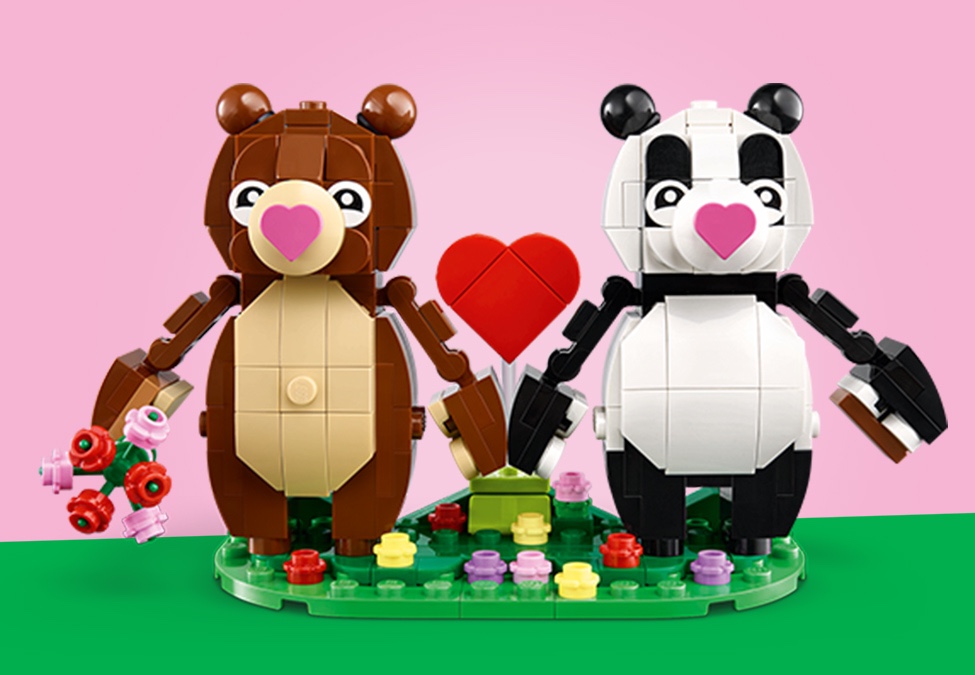
LEGO is the world's most iconic toy brand, founded in 1932 in Billund, Denmark by carpenter Ole Kirk Christiansen, whose name derives from the Danish phrase leg godt — "play well." Built on the simple, endlessly versatile interlocking brick system patented in 1958, LEGO has grown into the largest toy company in the world by revenue, with products spanning classic brick sets, licensed themes (Star Wars, Harry Potter, Marvel), Technic, Duplo, and digital experiences. Still family-owned and headquartered in Billund, LEGO remains committed to inspiring creativity, imagination, and learning through play for children and adults across the globe.

BloxBoom is an online marketplace specializing in the instant purchase and delivery of in-game items for popular Roblox titles including Murder Mystery 2, Toilet Tower Defense, Adopt Me, and more. Operating for over five years with 24/7 live customer support and an automated delivery system that fulfills most orders in under four minutes, the platform has built a trusted reputation in the Roblox gaming community. BloxBoom is a registered business and a well-known sponsor of major Roblox YouTubers and influencers.

Age of Learning is a leading education technology company behind ABCmouse, the award-winning early learning platform trusted by over 50 million children worldwide. Founded in 2007 and based in Glendale, California, the company develops research-backed, adaptive digital curricula spanning reading, math, science, and more for children ages 2–8, available for both families and schools.

The OT Store is an Australian retailer offering occupational therapy tools and sensory development products. The company supplies resources used by therapists, educators, and families. Their catalog includes sensory toys, learning aids, and developmental tools. The OT Store focuses on supporting children’s growth, learning, and sensory development.

The ToyBox is a New Zealand-based retailer specializing in toys and games for children. The brand offers creative and educational products designed to encourage imaginative play. Their catalog includes games, activity sets, and toys for different age groups. The ToyBox focuses on fun, learning, and creativity for kids.

kidzonetoys provides fun and engaging toys designed to spark creativity, learning, and play for children of all ages. Their product range includes building sets, puzzles, outdoor toys, and interactive games. The brand focuses on safe, age-appropriate selections that parents can trust. kidzonetoys blends entertainment with developmental value in a convenient online shopping experience.

begin is a children's nutrition health company that empowers parents with the knowledge and tools to optimize their children's well being. Its first product, Begin Growing-up Prebiotics is an unflavored blend of fiber powder that can be mixed into drinks or food to support kids digestive health and regular bowel movements.

SkyHi Tech Academy provides engaging coding classes and tech education for kids, helping them build foundational programming and digital creativity skills. Their curriculum combines project-based learning with fun challenges to spark early interest in technology.

Valioza provides premium playmats and floor tiles designed for children’s safe play and development. Their products are made from non-toxic, eco-friendly materials that are easy to clean and maintain. Each playmat balances safety, style, and comfort to make everyday play spaces both functional and visually appealing. The playful yet refined designs help parents create nursery or playroom environments that prioritize both aesthetics and child wellbeing.
Direct-to-consumer (D2C or DTC) kids supplies brands are innovative companies that bypass traditional retail channels to sell their products directly to parents and guardians online. These brands specialize in creating and marketing children's essentials, including educational toys, clothing, stationery, and health and safety products, among others.
The direct-to-consumer model allows for a more personalized shopping experience, with many brands leveraging technology to offer customized solutions, interactive online shopping experiences, and superior customer service. Examples of these brands include Lovevery, which focuses on developmental play products, and Primary, known for its high-quality, sustainable children's clothing. This model not only fosters a deeper connection between the brand and its customers but also allows for rapid innovation and responsiveness to the needs of young families.
Among the standout D2C kids supplies brands, Lovevery and Primary set the bar high with their commitment to quality, sustainability, and child development. Lovevery offers subscription-based play kits designed by child development experts to support the cognitive and motor skills of children at various stages. Primary stands out for its simple, colorful, and high-quality clothing made from sustainable materials, free from logos and slogans.
Another notable brand is KiwiCo, which delivers hands-on science and art projects intended to spark creativity and critical thinking in kids of all ages. These brands excel not just through their innovative products but also through their focus on creating a positive impact on children's growth and making parents' lives easier and more fulfilling.
The D2C kids supplies sector is witnessing several exciting trends, driven by the evolving needs and values of modern families. There's a growing emphasis on sustainability, with parents increasingly seeking out products made from eco-friendly and non-toxic materials.
Educational and developmental toys and supplies are also in high demand, reflecting a broader trend towards mindful parenting and the desire to support children's learning in fun, innovative ways. Personalization is another significant trend, with brands using data and technology to tailor products and experiences to the unique needs and interests of each child. Additionally, the rise of social media and influencer marketing has enabled D2C brands to connect with families on a more personal level, building communities around shared values and experiences. These trends highlight a shift towards more conscious consumption and a deeper engagement with brands that align with parents' aspirations for their children's development and well-being.