











Home1-800-Hotline Posts & Newsletter
1800Hotline 005 // The DTC bubble didn't pop. But Allbirds made it weird.

Allbirds sold its shoes for $39M and bought GPUs. We have thoughts. Plus Gatorade going clean, Lululemon's new CEO, and Happy Dad growing while the beer category shrinks.
Hey DTC Friends,
Side note before we get in, you will be getting both sends back to back this week. Signals today, Field Notes Friday. We had too much good stuff to hold.
This week handed us one of the most genuinely bizarre stories the DTC space has produced in a while.
Allbirds is selling its shoe brand for $39 million and pivoting to GPU infrastructure under a new name: NewBird AI. A company that once IPO’d at $4 billion and became the unofficial shoe of Silicon Valley is now trying to become a cloud computing provider. The stock jumped 600% on the announcement.
Meanwhile Gen Z and Millennials are trusting AI shopping tools more than store associates. Gatorade just committed to removing artificial dyes. Lululemon named a new CEO from Nike. David Protein is targeting $300M in revenue. And Happy Dad is growing while the rest of the beer category mostly contracts.
Lot to work through. Let us get into it.
But first, take a second to fill out the form. It helps us connect the right people and surface opportunities across the community.
Connect w/ the 1800DTC Community
This edition is presented by Paper Run
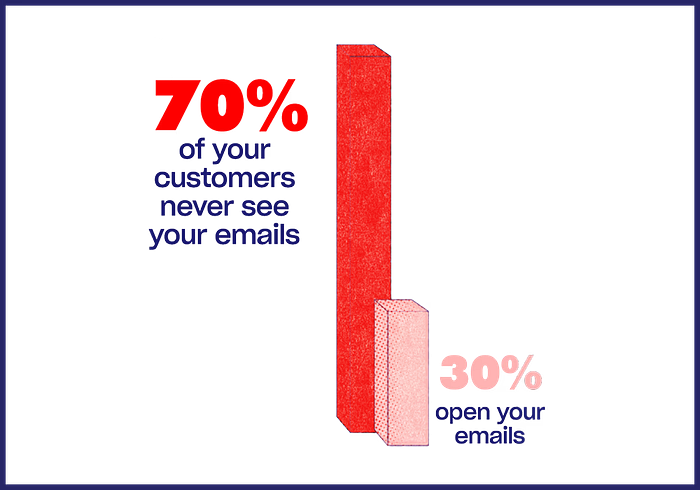
The fact is that most brands aren’t reaching the majority of their customers. It’s true for most emails that get sent out, even this newsletter.
That’s why we’re featuring Paper Run. It’s the only way for DTC brands to reach customers who don’t open their emails, and it’s built for Klaviyo and Shopify brands.
Paper Run integrates with your existing systems to automate Direct Mail flows for customers who you can’t reach— all without adding complexity to your workflow.. That’s why it’s trusted by brands like Grüns. (See them in the news recently by chance?)
Hop on a demo with their team and take advantage of a risk-free 60-day trial. It’s fully refundable to make sure you have the right fit.
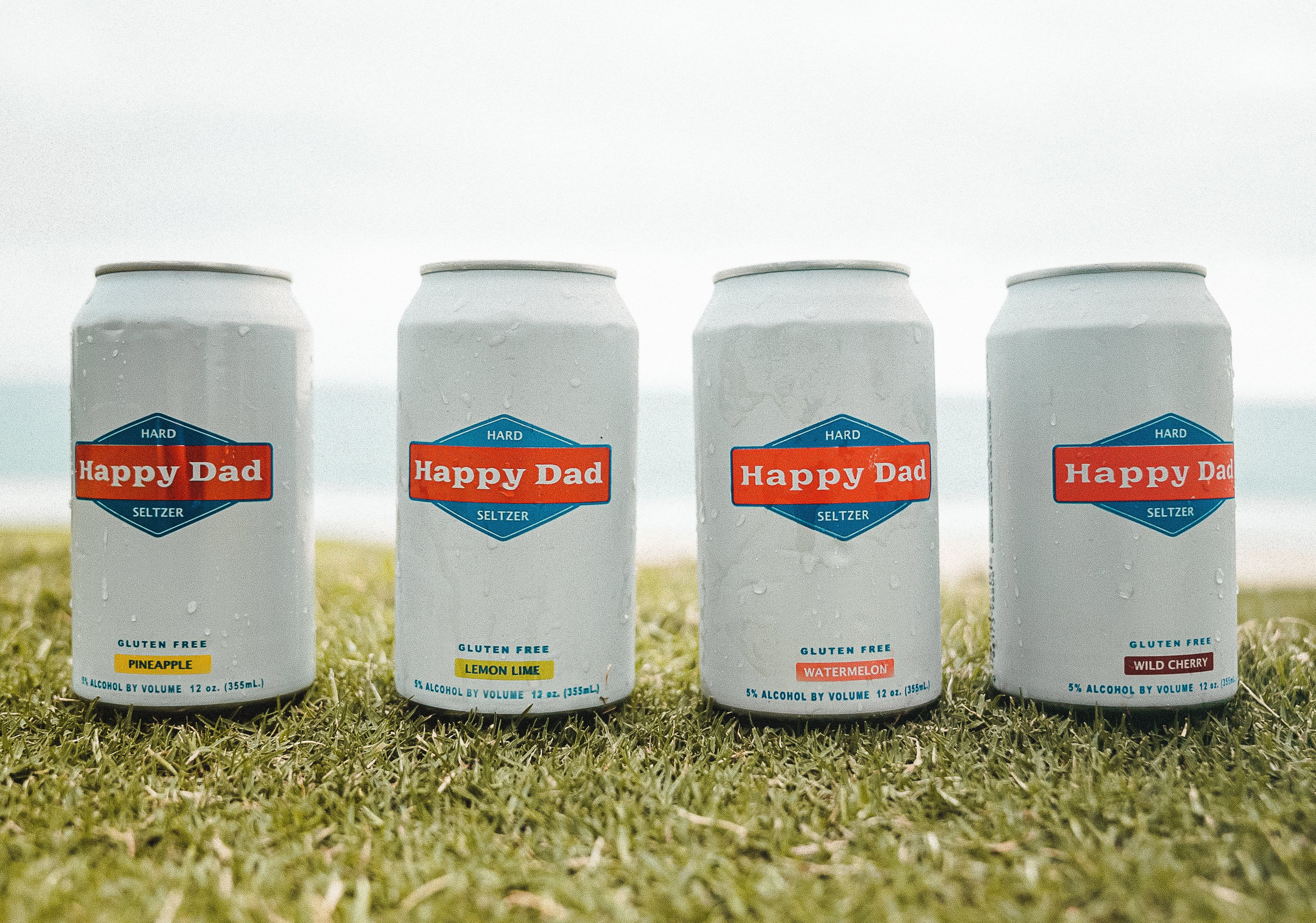
Happy Dad just got named the fastest-growing vendor of scale in the latest Beer Marketer’s Insights data, posting nearly 40% dollar sales growth year to date in a category where most major players are going backwards.
To put that in context: total U.S. beer volume dropped 4.4% in Q4 2025. Happy Dad grew 21% in that same stretch and was one of only six suppliers in the top 25 to show any growth at all. The brand closed 2025 at 3.55 million cases and is targeting over 4.1 million in 2026.
None of what they are doing is a secret. Simple product, real cans, brand built inside a community that already existed, and distribution they have been patient and deliberate about building. In a shrinking category, that combination is hard to argue with.
A new Harris Poll and Quad survey found 62% of Gen Z and Millennials prefer shopping with AI-powered tools over other methods, 51% of all consumers overall, and six in ten Millennials now trust AI recommendations more than a human associate for honest advice. At the same time, 75% said they would trust those same tools less the moment results looked sponsored. The opportunity and the risk are sitting right next to each other.
By fall 2026, Fruit Punch, Lemon Lime, and Orange across the Thirst Quencher and Zero lines will drop FD&C dyes in favor of colors from fruits and vegetables. The powder stick portfolio makes the same change this spring. PepsiCo is targeting a full portfolio clean-out by end of 2027. When a brand that has been defined by its neon colors for six decades makes this call, it does not do it quietly. Every other beverage brand in the market just had their timeline for the same conversation moved up.
Heidi O'Neill takes over September 8. She spent 27 years at Nike, most recently running Consumer, Product, and Brand, and was part of the leadership team that helped take Nike from roughly $9 billion to $45 billion in revenue. The shares fell over 5% after the announcement. The turnaround story here will be one of the most closely watched in retail over the next 18 months.
Let us start with where Allbirds actually was.
The brand launched in 2016 with a merino wool sneaker that became genuinely beloved by the coastal tech and creative crowd. It told a clean story: natural materials, simple design, DTC-only, mission-driven. The IPO in 2021 valued the company at something close to $4 billion. Then reality arrived.
Revenue fell almost in half between 2022 and 2025, dropping from $298 million to $152 million. The product did not evolve. The customer base that came in on the original story had no reason to keep coming back. Competition moved into the sustainable footwear space faster than Allbirds could hold its position in it. And the brand never fully resolved the identity question underneath all of it — was this a performance shoe, a lifestyle shoe, or a fashion shoe? It hedged, and that hedge eventually cost it the conviction of its own customer.
Last month, American Exchange Group bought the Allbirds name, assets, and IP for $39 million. A brand that once traded at a $4 billion valuation, sold for less than a single strong month of revenue during its peak years.
Then this week, the remaining public entity announced a pivot. They secured $50 million in convertible financing and said they would redirect the company into AI compute infrastructure, buying GPU hardware and leasing capacity to businesses that cannot get it from the major cloud providers. The shell company will be renamed NewBird AI. The stock moved up over 600% on the announcement.
The compute rental model is a real business with real demand behind it. But the market reaction tells a more familiar story. The label “AI” still moves stock prices regardless of whether the company saying it has any business being in that space.
What operators should pull from this:
Allbirds had strong brand awareness and genuine cultural love. What it did not have was a reason for its best customers to keep buying. Sustainability as a value does not generate the second and third purchase. The brands from that era that are still around found a way to earn repeat behavior. Allbirds never did.
The identity indecision compounded quietly for years. Not knowing whether you are a performance shoe or a fashion shoe or a lifestyle shoe seems like a small thing until you realize it shapes every product decision you make. Eventually the customer feels that confusion even if they cannot articulate it.
And the name is actually not the brand. American Exchange bought the Allbirds trademark for $39 million and intends to build on it. Under a leaner operator with a clearer product focus, there is a real version of this brand that finds its footing. That story is now someone else’s to write, which is probably fine.
RXBAR founder Peter Rahal told AgFunder the brand, which launched in 2024, is tracking toward that number. David acquired alt-fat ingredient maker Epogee last year to control supply of the key input that makes its high-protein, low-calorie bars work, then expanded that manufacturing capacity fivefold. There is also an active lawsuit from three former Epogee customers who claim they lost access after the acquisition unfairly. The growth trajectory in a brand this young is genuinely rare. The legal situation adds a layer worth watching as the company scales. → Full story
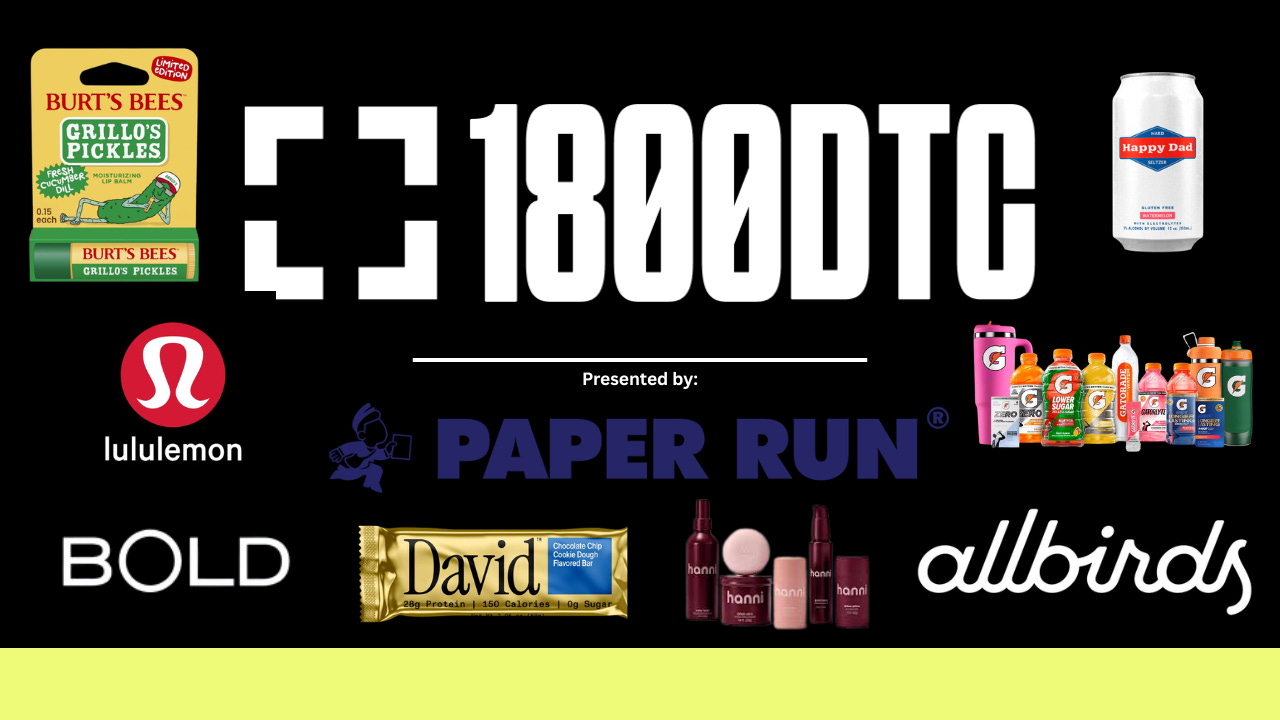
Founded in 2021 by Leslie Tessler, Hanni makes eco-conscious body care built around simplicity, clean formulas, and products that actually fit into how people live. They became Sephora's first-ever razor partner and have since expanded into an in-shower moisturizer and a quick-absorbing moisture stick. BOLD, L'Oréal's venture arm, made the investment this week without disclosing terms. The body care category has been moving from commodity shelf space into something more experiential and premium, and L'Oréal putting money behind a founder playing in that space is a strong directional signal. → Full story
Pickles… are…everywhere. Burt's Bees has been running this food brand collab approach for a few years, and each one earns real attention at a fraction of what a traditional campaign costs. Grillo's keeps finding ways to show up in unexpected places, beauty aisle this week, beer last month, and every time they do it reinforces the same thing: the brand has genuine culture and knows how to use it. The playbook is worth studying. → Full story
The brand continues to push into Latin America ahead of the new CEO stepping in September. International growth, especially in markets outside North America, is one of the few clear runway stories left in the Lululemon bull case. This is the business continuing to execute even while leadership transitions around it. → Retail Dive
The AI shopping numbers every operator should know right now.
62% of Gen Z and Millennials prefer AI-powered tools when shopping. 51% of all consumers say the same. Six in ten Millennials trust AI recommendations more than a store associate for unbiased advice. Two-thirds of survey respondents overall, and 76% of Millennials specifically, said using AI to identify pricing inconsistencies across retailers is an appealing use case. 68% of Millennials said AI to narrow down choices quickly appeals to them.
And then the number that should make every brand stop and think: 75% of Americans say they would trust AI shopping less if results were sponsored.
That last stat is the one worth sitting with. The reason AI discovery is valuable to consumers is exactly because it does not feel like advertising. The adoption numbers above only hold as long as that trust holds. The brands that figure out how to earn visibility in AI recommendation layers through product quality, strong customer signals, and real first-party data are building something that compounds. The ones that try to buy their way in are going to find the same trust ceiling they already hit on paid social, just faster.
Source: Harris Poll and Quad survey, April 2026
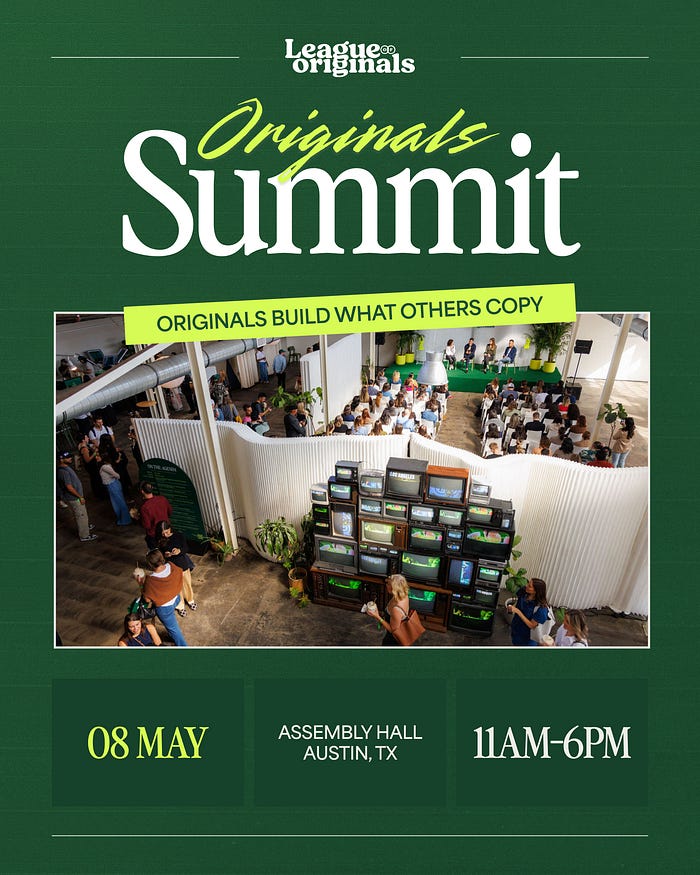
Originals Summit // Austin 2026— Friday, May 8th | Assembly Hall in Austin, TX
One day. 500+ founders and operators from some of the most recognized brands in the space. Bala, Four Sigmatic, Hyperice, Lululemon, Whole Foods, Supergoop, YETI, Siete, Tecovas, Harry’s, and more are all in the mix.
This is where original brands come to connect, get better, and build the relationships that actually move things forward. Not a trade show, not a panel series where everyone plays it safe. A room full of people who are building for real.
Code or Exclusive Offer for 1800DTC Audience: Use code 1800DTCGA to register
That is Signals for Issue 005.
This edition’s question: What is your honest read on the Allbirds story? Is it a DTC cautionary tale, a product failure, or something else entirely? Hit reply.
We read every reply. See you tomorrow (just for this week)!
— Zach and the 1800Hotline Team
Find a partner, tool, or agency: 1800DTC.com
Become a sponsor: Partner with us
Get connected with our partners: Brand Form
Everything you need to build a better DTC brand, business and tech stack.