Under The Hood: Bob & Nick from Hears
As the CEO of 1800DTC, I'm focused on building one of the strongest communities in commerce. Through content, events, and shared knowledge, the goal is to connect the best operators, brands, and technology shaping the future of DTC. My background is rooted in the Shopify ecosystem. I've worked across leading platforms and agencies including Route, Stay AI, and Toki, and most recently led growth and partnerships at Lunar Solar Group. Along the way, I've spent years working closely with brands, operators, SaaS partners, and agencies across the commerce landscape. Across every role, the throughline has remained the same: commerce, content, and community. I'm based in Utah. When I'm not working, you'll likely find me skiing, biking around town, or training for my next competition.
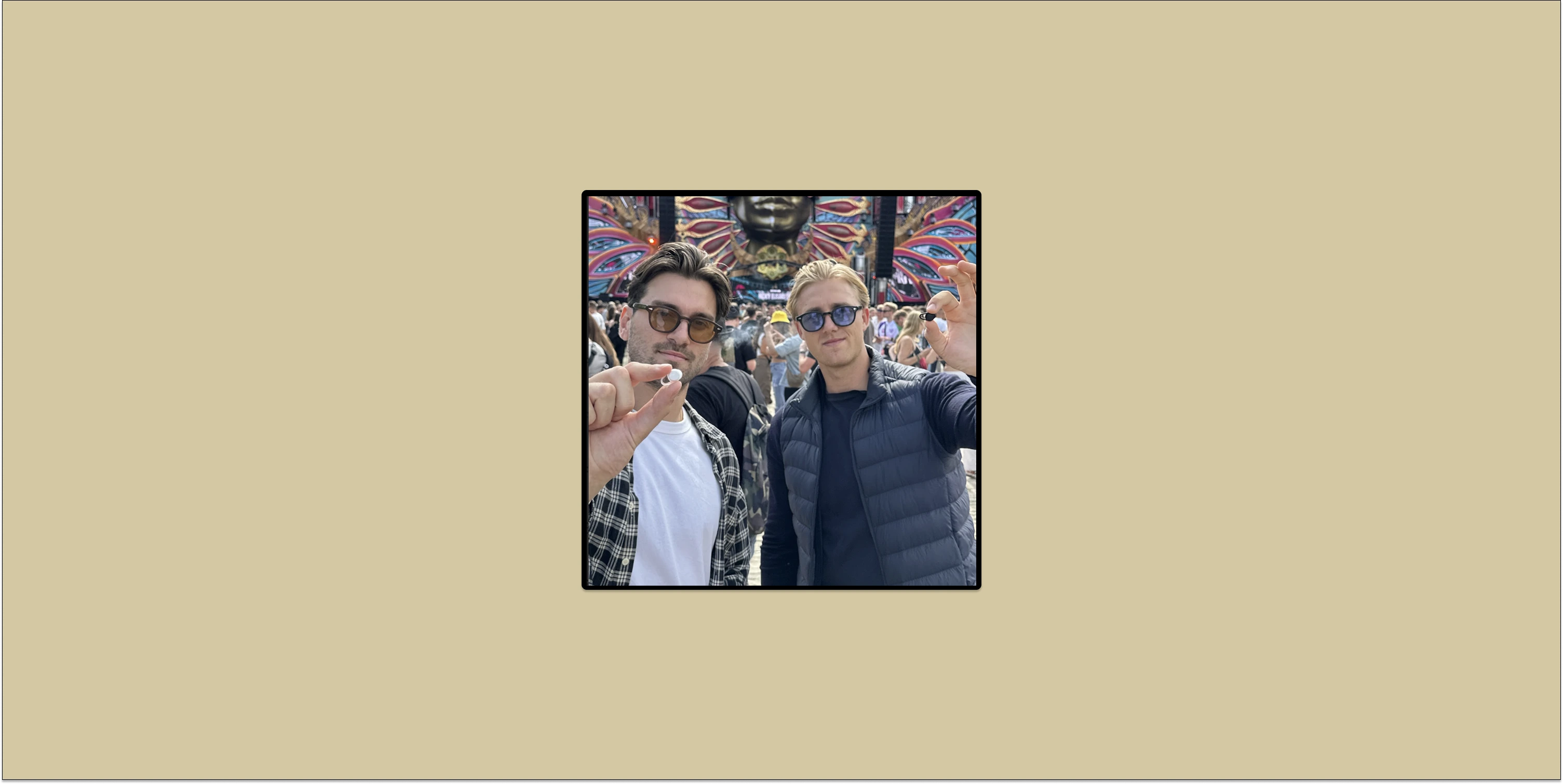
Making hearing protection popular by making it cool.
Bob Verlaat and Nick Nijhof co-founded Hears to create sleek, comfortable earplugs that protect young concertgoers from hearing damage without ruining the natural sound of the music. These earplugs designed by music artists and hearing protection professionals aim to make you feel like you're not wearing any at all while keeping quality the same.
This one's a little different.
Our CEO, Zach Bingham, sat down with these recent Forbes 30 Under 30 winners to discuss their journey in a more impromptu conversational format. The transcript of their conversation is below.
Brand mentioned
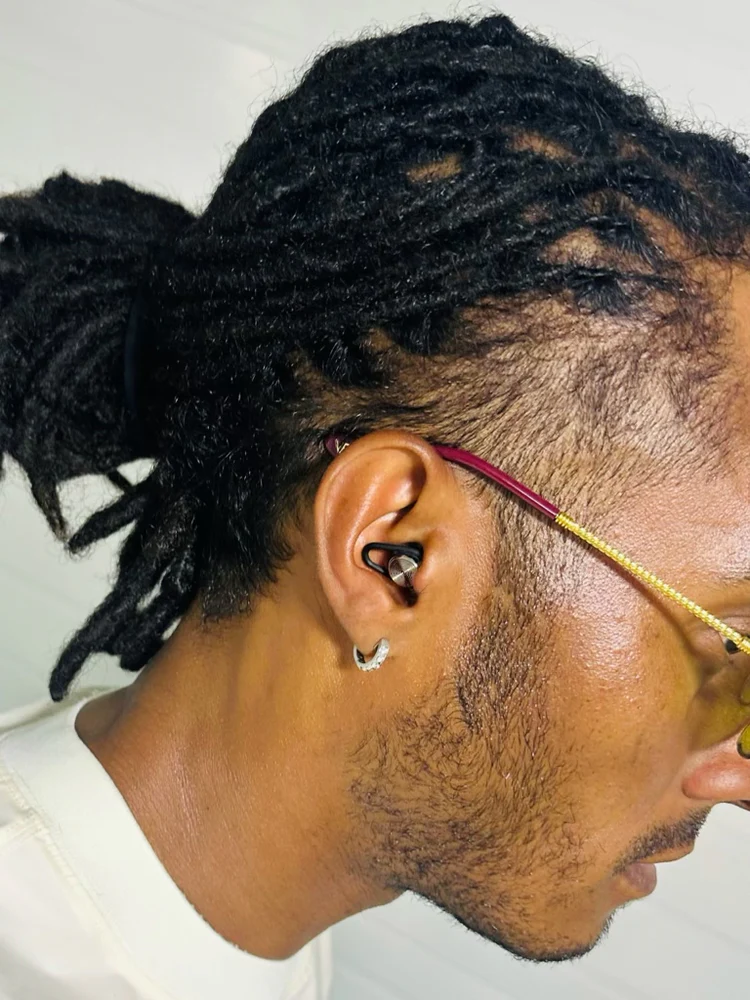
Hears Earplugs
Hears is an Amsterdam-born earplug brand on a mission to protect music lovers' hearing without sacrificing sound quality. Using patented flat attenuation filter technology, their featherlight, near-invisible earplugs reduce harmful noise while keeping music crystal clear, making them ideal for concerts, festivals, and everyday loud environments.
Can you share a little about your individual stories and about Hears?
Nick: "We've been in the DTC space for around 7, 8 years. Originally started like almost every E-com founder with drop shipping. And then eventually we saw quite early that we were super good in what we were doing. And then we started realizing that it was better to build real assets. And from there I started living together with Bob for four years. We were good friends since good friends is not the right word. Best friends since we were twelve. And then we always said to each other, once the opportunity gets there, we will eventually start doing something together. And after one year or two years being in the dropship world, we saw the opportunity to start a brand together, which is called Dorn Rose.
And the entrepreneurial mindset in us.
We took basically every single opportunity that we saw and two years later, Hears came across our path. And that's our baby. That's our journey. And that's the reason why we wake up every single day to scale it to the moon and make the whole world aware about the importance of hearing protection. And we try to make it a super cool and sexy fashion item that can be used daily."
Bob: "Basically, my career was more into a brand before we even started working together. I was the head of marketing for a company, an American company, called Super 73, which is an E-Bike companyI brought them to Europe and made that super big and got a real understanding of what branding takes and what gets people excited. So when we started doing something together for the first time, we made too many mistakes in the first years.
But what we did understand really well is to communicate a problem-solving product in a very cool way. The very first product that we were selling was pillowcases. Now, pillowcases on their own is not exactly exciting, but we made it super exciting. We were trying to find ways to make our boring products, indeed, super sexy in this sense. So we were very reliant on branding on its own and improving the product and improving the customer experience
One of the opportunities that we saw was the growing market for earplugs. And it was exciting [for] us because, again, it was a super boring product."
What actually led to earplugs of all things?
Bob: "So, you know, there were two things. It was a boring product that we had some vision about that we could make super sexy in this case. And secondly, we weren't convinced ourselves yet of actually wearing earplugs. And that got us excited because we were like, okay, if we can convince ourselves to wear earplugs, we can convince a lot of people.
We could bring something to market that didn't really exist yet and that had a lot of pain points that we would be able to solve.
There wasn't a brand that was speaking to me that wasn't actually making this popular. And I think that's the big thing of what we're doing as well is actually making hearing protection popular by making it cool. And, quite ironically, it did become a personal issue while in the two years of development of making this product I did develop hearing loss.
And I think that's the biggest power of Hears and also the biggest motivation for us other than just making money. We're actually doing something good for the world. And that gives a really good feeling."
What was the initial plan for scaling this idea?
Bob: "Once we knew Okay we're going to make earplugs we needed the right network to actually distribute it to the big clubs, to the artists.
So we needed to network, we needed to make it universal, because there's of course, an option for custom molds that's not going to be scalable. Third, we wanted it to be recognizable by its shape, not necessarily by its logo. And we wanted to be able to print logos on there because especially coming from, like the E-bike business, where we partnered with a lot of big brands, we understood the importance of actual collaborations in this case because we were like, there's big players in this market. We asked ourselves, how are we going to win from those big players?
And this was one of the key things to actually make a difference in what is being sold in the earplug industry. We understood, okay, this is a great product to sell online because it has no sizes or the sizes come in a box. It has color options, not too many returns, lightweight, can be shipped internationally.
“We asked ourselves, how are we going to win from those big players?”
— Bob Verlaat
We had an idea but what we didn't know back then was the actual, the actual burden it takes to actually launch. [The product we were thinking] was almost treated like a medical product, both legally as well as financially. It's not like our previous brand, where we just buy a piece of fabric and scale it to the moon. No, it requires a lot of legal issues, a lot of experts, a lot of licensed people to actually make adjustments to the ergonomics of the device or the product. So, yeah, that whole journey was quite, was longer, more expensive, and it's still more expensive than we imagined. But it also got us excited because, you know, the barrier of entry to market was incredibly high.
So along this road, which was a two year journey of R and D, we connected ourselves to a bunch of music artists, licensed experts, and as well a big filter manufacturer that was only used to doing custom molds. And we made an agreement with them on their technology because if we were to start our own technology, it would have taken like at least 80 years in this industry to make it happen."
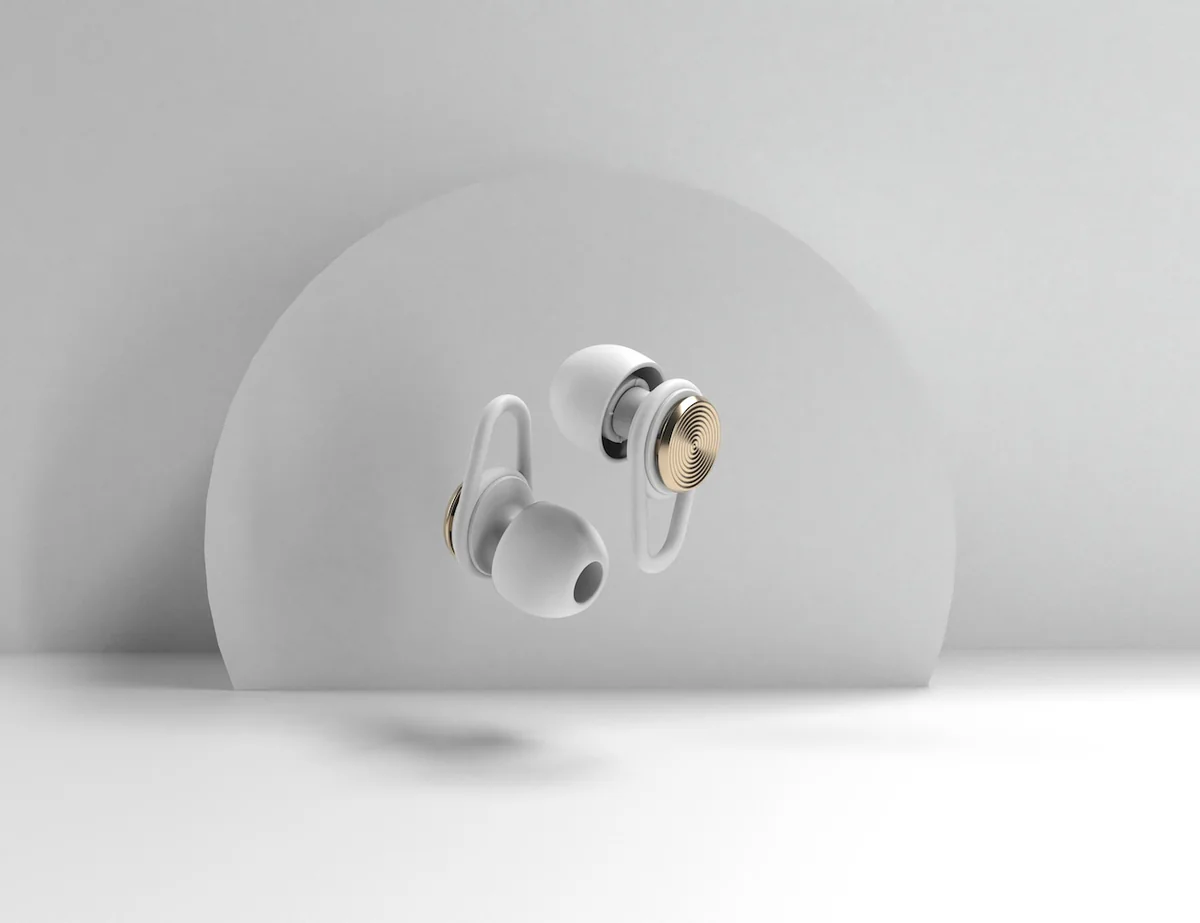
Hears earplugs design
How were you able to make an agreement for the technology behind Hears?
Bob: "They saw what we did, what we've done before with our other brand and the numbers we were doing and we convinced them eventually to get exclusivity on their patented filter technology.
This [technology] was the highest clarity rating on the market ever made.
We went to far ends to actually make that happen and to get those agreements because we were all of a sudden we were a startup with the best filter technology in the world and our biggest competitors wouldn't reach the attenuation level numbers that we are reaching. And we still, they still don't and they never will.
A year later [those behind the technology] actually became a partner. They saw how much we were selling, they saw how we're operating and now, now they're a partner."
What does the audience look like for Hears? How much of the audience is based in the United States?
Bob: "I would say 30% U.S., 30% UK, 30% Western Europe and the last 10% is divided over many other countries. As we launched in May 2024, we had interest from quite some big brands.
We partner with a bunch of festivals and clubs. This is going to be a main focus for us as well moving forward because it's definitely a way to reach our audience."
What's the additional scaling look like for Hears?
Bob: "We want to do a lot of limited editions and we want to do a lot of different new colorways. We plan on actually launching our different colorways based on music, culture and music events. We want to really dive into what we stand for as a brand without only focusing on the idea that we're a technical product, but more focusing on the culture behind it.
Secondly, we're horizontally diversifying our collection as well. Products that are suitable for the music industry."
We are also launching for sleep soon. We're also going to have a full blocking earplug made for sleep. So we'll have something for everyone. Actually."
Nick: "And other than that, we also want to focus on the retention. We have the ability to drop a lot of new colors. For example, a spring color in early April.
There's a request from our buyers to mix and match earplugs with this and that outfit when they go to festivals.
And another exciting thing is that we will launch the Hears 2.0 by the end of this year, obviously gaining so much feedback since we launched our product for the first time. A product that's never been produced before is entering the market for the first time. You can imagine the amount of positive but also relevant feedback we received from people actually using our product out there. So, yeah, super excited for implementing all the improvements that we have received a lot."
What's the biggest mistake or roadblock you've encountered building Hears?
Nick: "There's a funny story about a sample."
Bob: "Samples that come with so many factory faults and mistakes. There's a story Nick wants me to tell: when I visited with a very big DJ called Afro Jack and it was a super early point to even collaborate with him. But, I showed him the product and the casing the product was in after driving all the way to Belgium...and the moment I show him the whole thing falls apart.
And I'm like, yeah, yeah this is, this is a prototype. So yeah like we've improved already a lot. But the casing used to break. Can you imagine? You just have casing breaking. That was like last summer. Now the casings won't ever break anymore.
We're upgrading our product with every production. That's why. Yeah, that's why that whole R and D process takes so long."
Nick: "I wouldn't say we've been lucky, but everything fell into the right place and obviously we had some moments that we were like, oh, yes, this is going to be the final sample. And then it was obviously not the final sample. And there were some moments as well that we felt like, okay, we really want to launch. We couldn't wait. I mean, we were so excited to show the whole world the project that we have been working on.
But at one point it was also the right moment to just launch with our MVP and just bring it out in the market."
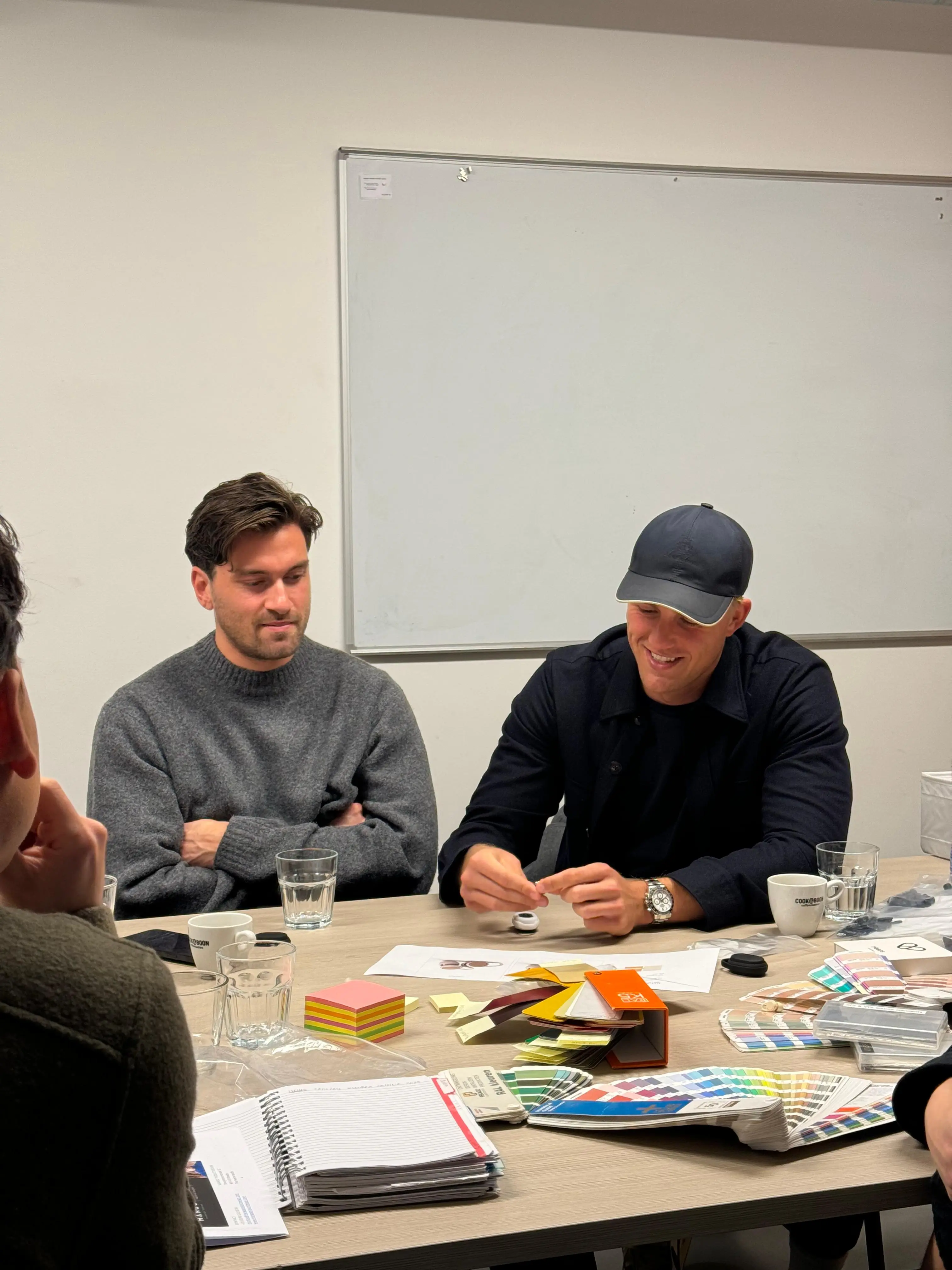
Nick Nijhof and Bob Verlaat Planning
Any advice for someone starting their own brand?
Bob: "The easiest advice I can give is the most cliché one. It's so obvious for us, but so not obvious for the rest of the world. I feel like you really got to be obsessed with what you're doing.
Because we make 16 hours a day, seven days a week.
And that's what most people get wrong. They see us, they see success somewhere and, and expect that to be automatically there. That's the biggest one before any branding.
Some old friend of mine just texted me saying, like, yeah, I'm gonna quit doing what I'm doing. And he's been five months in. I'm like, man, you're also not going to succeed the next one if this is the mindset.
And when it comes to branding itself, biggest advice that I could give is to break the pattern and be out of the ordinary because there's so many brands landing every single day. Everybody's copying each other and no one is really trying to be unique.
We do look at other brands and see what they're doing, but we're also making it our own sauce, and we're also creating something that people have never seen before. And that's why people admire it, because it's out of the ordinary. And it results not just in the logo, that also results in the product itself. It results in the way we do our marketing. The way we build our websites. Yes, it's built for conversion, but it's also something that you would feel is truly unique instead of just any other brand that you see."
Nick: "Being obsessed with what you're doing. We don't see it anymore as a sacrifice, but we just really enjoy what we're doing. And in the early days, especially for the young entrepreneurs where they see all luxury, the great lifestyles happening on the social media and it's always that shiny object syndrome that people have with, hey, why are they doing something better than me? But I would really say to focus on your own path. Like what does success look like for you within five years? And what kind of decisions do I need to make today to become that person within five years?
“Hard work beats talent.”
— Nick Nijhof
And everyone has their own path to success and you cannot always compare yourself with the other entrepreneur that has, I don't know what, but like a better life, apparently on social media.
I mean, it was also not for us, a one shot, one kill when it came to Dorm Rose. And I mean, failure doesn't mean you didn't succeed. It's also part of the destination. Right? So just trying stuff out, being obsessed with what you're doing, People need to show up, and especially in the early days, they need to sacrifice pleasure for, you know, just getting it done and putting in the work. Because eventually, also, hard work beats talent."
Join 17k+ subscribed
Get The eCommerce Pulse
The twice-weekly briefing for operators, founders, and partners shaping modern DTC.