Behind The Tool: Rytis From Omnisend

Marissa O'Halloran is the Commerce Lead of 1800DTC. When she's not researching and writing about the latest DTC products and brands, you can find her hunting down the best matcha in town, overpacking her carry-on, or hanging out with her golden retriever, Pepper.
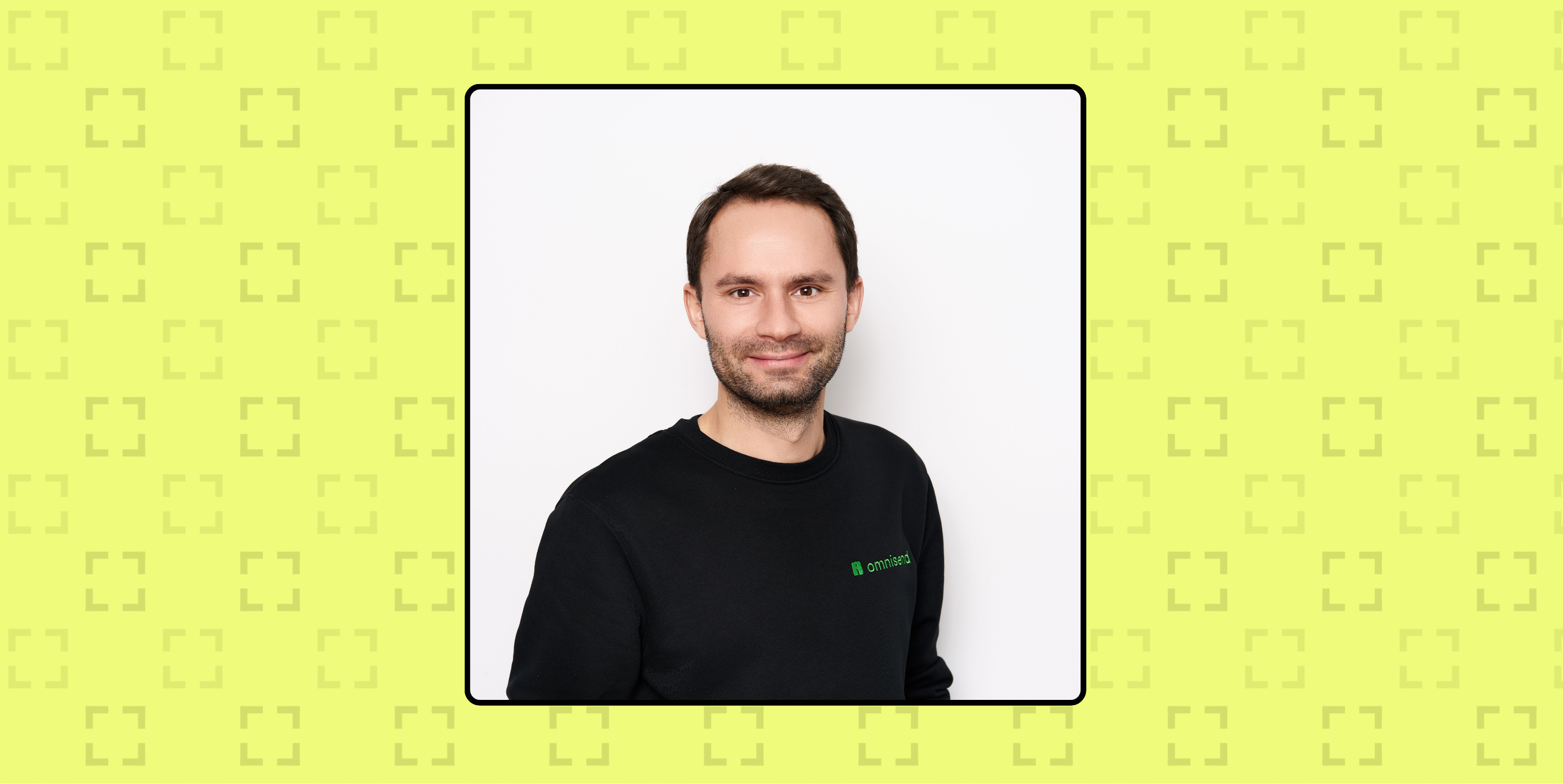
Most brands think the fix for underperforming email is just doing more of it. More sends, more contacts, more frequency. Rytis Lauris built a whole company around proving that wrong.
Rytis is the co-founder and CEO of Omnisend, an ecommerce marketing automation platform trusted by over 150,000 brands. Omnisend brings email, SMS, and web push notifications into a single workflow, built specifically for online stores from day one. The idea came from years of running a digital marketing agency, watching ecommerce brands sit on piles of useful customer data and reach for tools that couldn't do anything with it.
The gap was real. The opportunity was obvious. Rytis and his co-founder Justas decided to go build the thing themselves.
We sat down with Rytis to talk about relevance over volume, why the migration fear is overblown, and the book that changed how he thinks about failure.

Tool mentioned
Omnisend
Omnisend is an omnichannel marketing automation platform for ecommerce businesses. Omnisend allows you to add several channels to the same automation workflow for seamless communication via email, SMS, web push notifications, and more.
What was the moment you realized this was a massive problem you needed to solve?
"It wasn't some dramatic revelation or anything. The idea came gradually. At the time, I ran a digital marketing agency. We were working with a lot of ecommerce brands and noticed that despite having loads of customer data, which could be used to personalize the customer experience, they used very generic email tools.
I started wondering why that is. The answer came during a chat with one of our clients. Tools with cart abandonment sequences, a post-purchase upsell mechanism, or personalized product recommendations were simply out of reach for mid-sized merchants. Yet, the opportunity, the data, and the willingness to pay were already there.
So we decided to take it. By the way, the person I had that conversation with was my current co-founder, Justas. We decided to build a solution together."
What's one thing most brands get wrong about this problem?
"When brands don't see the results they want, they tend to think that they need to do MORE: send more emails to more people more often. However, volume is very rarely the problem. It's relevance. Customers simply don't get what they want and need.
Ironically, they are actually telling you exactly that every time they browse, buy, or abandon a purchase. Instead of reacting to this information, brands often just increase the volume of promotional messages, and that's it. The problem is that first-time visitors have very different needs than your regular customers. A person who abandoned their cart needs a well-timed nudge, not a reminder to subscribe to your weekly newsletter…
Stop treating everyone the same. It's no longer the analog era. We have the tools to create and foster individualized relationships with our clients. Use them."
What's the feature customers fall in love with first?
"I would say that it's automation.
It's where our customers typically discover the possibilities of data-based tools. When they set it up, and a few hours later, discover how much revenue they generated, something clicks. It's the realization that a well-timed message to the right customer can do wonders.
They start to realize that their data is their biggest asset. A customer abandoned their cart? Instead of pulling your hair out, think about it this way: someone showed interest and intent, but changed their mind, and you have the tools to bring them back."
What makes Omnisend different from other solutions out there?
"Our tool is built specifically for ecommerce from day one. Everything inside Omnisend is built around how online stores operate. When you use our integrations, segmentation logic, automation triggers, reporting, etc., you feel the difference immediately. We live by a principle that really powerful tools are intuitive, not intimidating. In other words, they must be easy to use even for novices. I can proudly say that Omnisend meets this requirement.
Another important piece is that we quickly realised that email is not enough, and added SMS and push notifications into the workflow. A lot of tools still treat these as separate products, but we chose an omnichannel approach. Finally, we're very proud of our price-to-value ratio. Marketing automations used to require big budgets and large technical teams. We made it much more accessible.
We realize that there is a mental barrier that makes merchants hesitant about migrating from one platform to another. So we made it as easy as possible. It takes 5 days maximum. And there is a pricing advantage as well. We don't penalize merchants for growing. On the contrary, it makes us proud that we're contributing to their success. We're very happy to see our clients that started as small businesses or even side-hustles develop into major operations."
What's a big shift happening in your industry that brands aren't talking about enough?
"On the one hand, brands are talking about AI a lot, but I often feel as if the real focus of the conversation gets lost a bit. Marketing is shifting from broadcasting to behavior response. Generic content is not only ineffective, but often counter-productive. Customers expect actual value from email communication, and AI is emerging as a great tool to achieve that.
Nowadays, marketers still spend a lot of time tinkering with automations, sifting through data, checking and rechecking contact lists, etc. Our AI tools can handle this busywork so the merchants can focus on strategy and results. It's not like AI will replace marketers. It's all about freeing up their hands for more creative tasks and redefining what they spend their time doing."
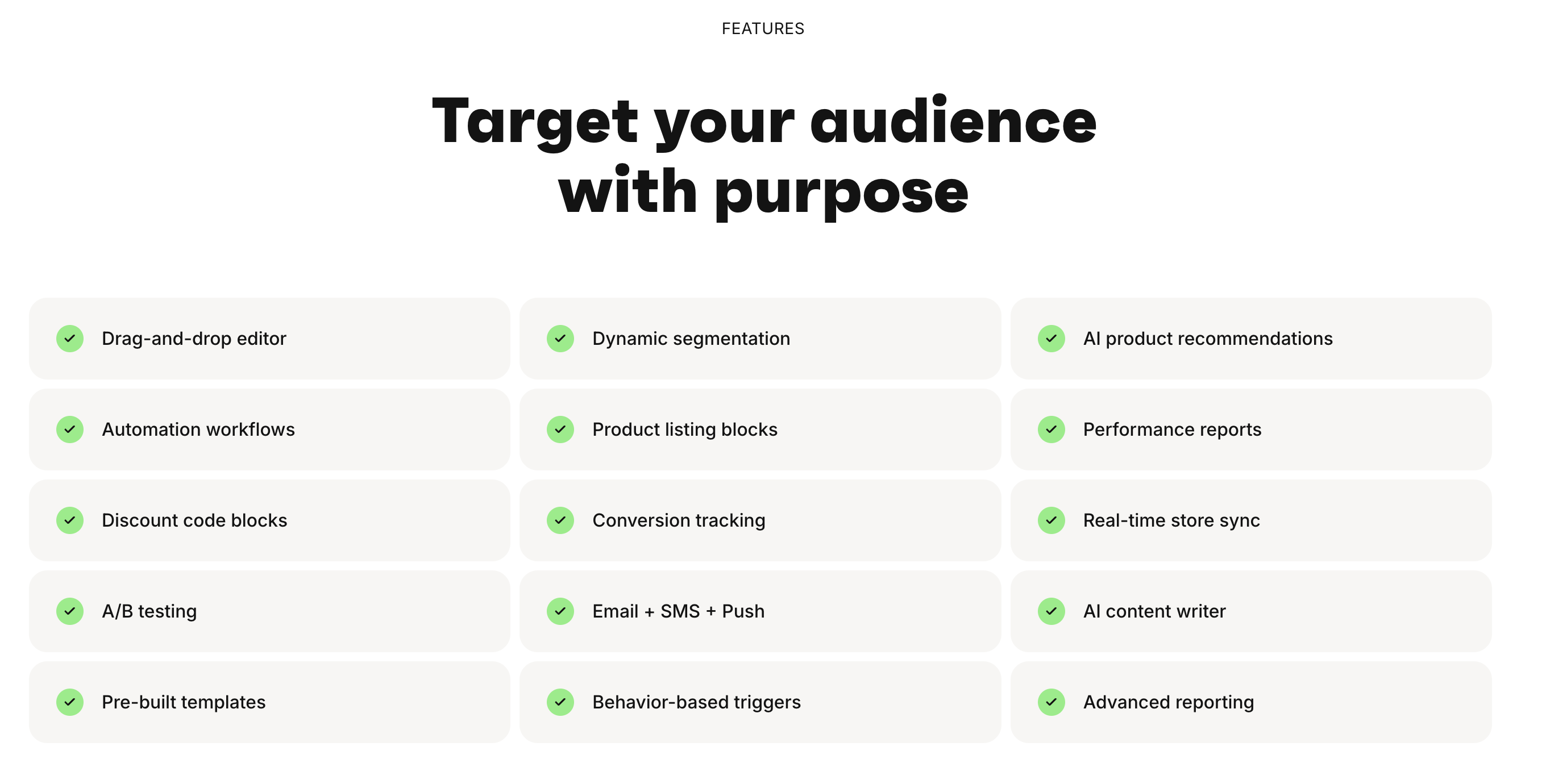
Courtesy of Omnisend
What's one lesson you learned the hard way while building Omnisend?
"Initially, we did try to raise investment money, but failed. At the time, it was quite stressful and scary, but now I'm happy that it happened this way. It forced us to be resilient, to keep grinding, and most importantly, learn how to grow sustainably."
If you could go back to Day 1, what would you do differently?
"That's a tricky question. You wouldn't be who you are and where you are without your initial mistakes and unique experiences. So, I wouldn't change that much. Maybe I wish that we would've gotten closer to customers faster. For the first few years, we were building what we thought merchants wanted. Our instincts were quite good, but there was too much guessing.
When we had our first exit interviews, we in fact learned more in weeks than we had in months of inside debates. These interviews made the product a lot better."
What's the best piece of advice you've ever received?
"I love Ben Horowitz's book The Hard Thing About Hard Things. Its idea is that nobody prepares you for the hard parts of business. Fundraises inevitably fail (at least part of them), competitors copy you or come up with something better, a new hire that you counted on doesn't work out. You can cry and get mad about it, or you can learn from them.
Failure is the only way to success. Embrace it."
Join 17k+ subscribed
Get The eCommerce Pulse
The twice-weekly briefing for operators, founders, and partners shaping modern DTC.