1800Hotline 013 // SHEIN just bought the anti-fast-fashion brand, Waterdrop raised $117M, and Kool-Aid is back
Zach Bingham is focused on building one of the strongest communities in commerce as the CEO of 1800DTC. Based in Utah, he brings his expertise and knowledge from working closely with brands and across leading platforms and agencies.
Happy Tuesday 1800 Fam,
A lot to sit with this week.
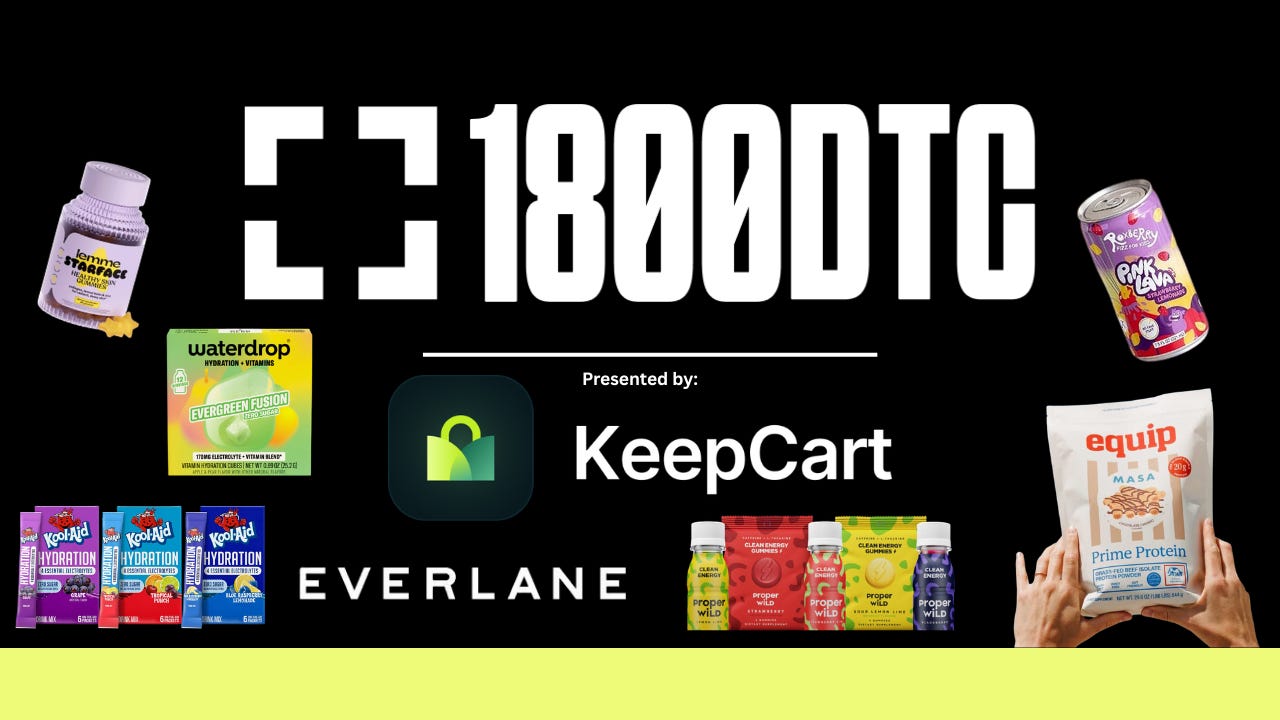
The brand that built its entire identity around radical transparency just got acquired by the company that represents the opposite of everything it stood for. Waterdrop quietly raised one of the bigger rounds in the functional beverage space. And Kool-Aid is about to take on Liquid I.V. with a nostalgia play and a price point several dollars cheaper.
Let’s get into it.
But first, take a second to fill out the form. It helps us connect the right people and surface opportunities across the community.
Connect w/ the 1800DTC Community

This edition is presented by KeepCart
We recently hopped on a demo call with the KeepCart team, and we just had to share what they’ve been working on.
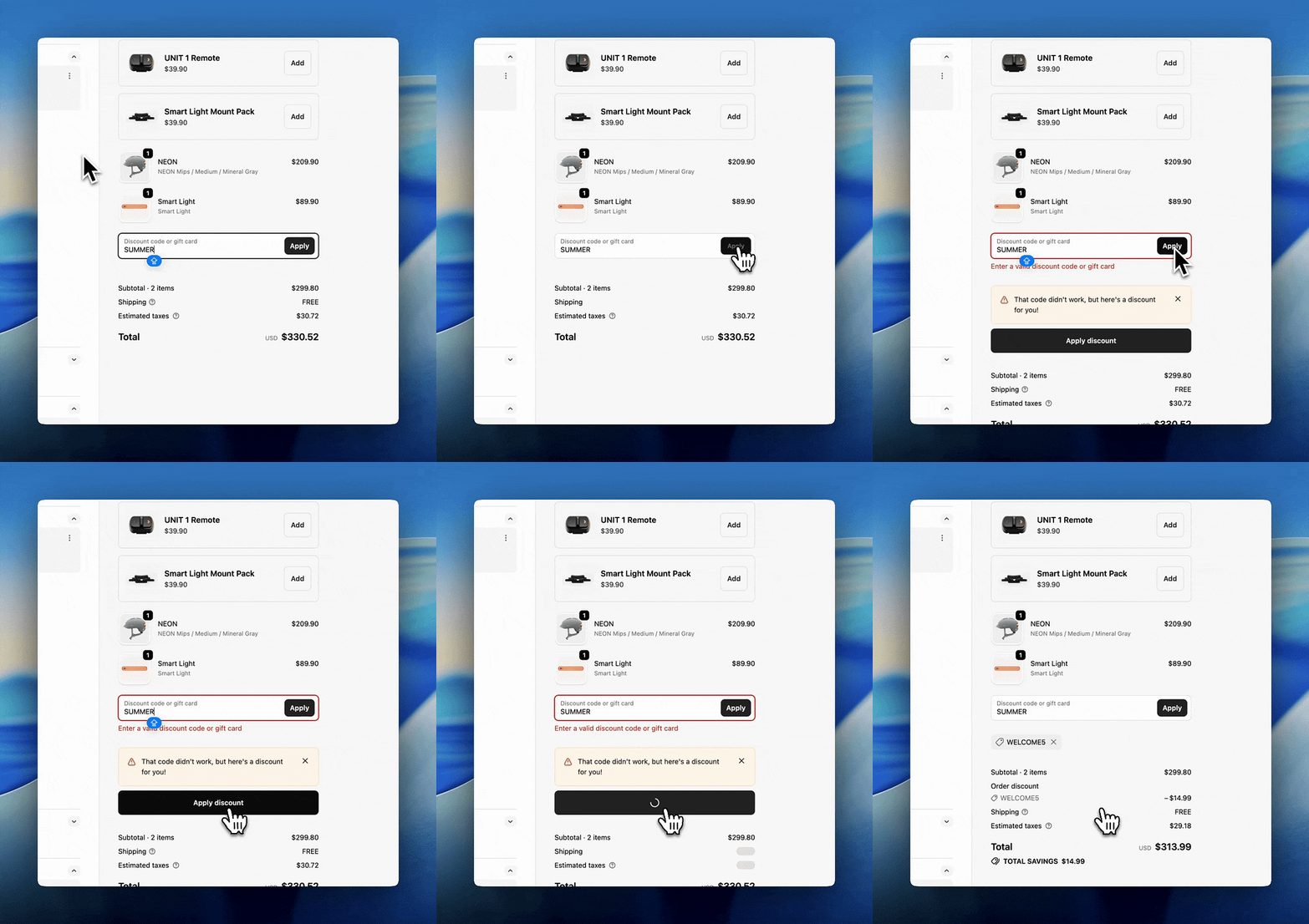
Already known for blocking pesky coupon extensions at checkout to protect your margins, KeepCart just launched a game-changing new feature: Discount Recovery.
Someone goes to buy something from your brand, searches for a “brand name” discount code, tries a bunch, and ends up clicking off. No sale made. The codes they tried probably weren’t even real.
What if your checkout automatically noticed that behavior and instantly generated a custom, pre-set code just for them? No disappointment, and they’re completing the checkout.
LOVE IT.
Brands are already seeing an estimated $5k to $50k a month recovered, depending on their brand size, after the launch a couple of weeks ago. It works for both new customers or both new and returning customers, so all the bases get covered. While we did find a few competitors out there doing something similar, none matched KeepCart’s pricing (or offered a free 30-day trial).
We were super impressed with the demo, seriously. If you’re a Shopify Plus store, check it out in the video below; then, we recommend taking advantage of that free month to give it a go.
Rho was built for brands like yours. No BS.
We’ve been talking about Rho lately because we know many of you are still scrambling to fill a recent gap left in the market. If you’re still looking for a solution for your company finances, we’ve built a calculator that highlights the three biggest margin-killers in DTC right now. Give it a look and test it out.
See Where You’re Leaving Money Behind
If you’re ready to chat right now, Rho is offering a $1,600 statement credit and a free billboard in Times Square when you join Rho! (Terms apply.) Jump on a call directly with their Consumer Brands Lead.
Brand Feature: Equip
After a decade of building a real DTC business, Equip Foods just made its retail debut at Sprouts Farmers Market nationwide.
Equip is a clean protein brand that has built a loyal following by keeping the ingredient list short and the formula honest. The Sprouts launch carries Chocolate, Vanilla, and Unflavored in 20-serving bags, plus an exclusive Chocolate Peanut Butter Prime Protein flavor created specifically for the launch. Two more nationwide retail announcements are reportedly coming later this year.
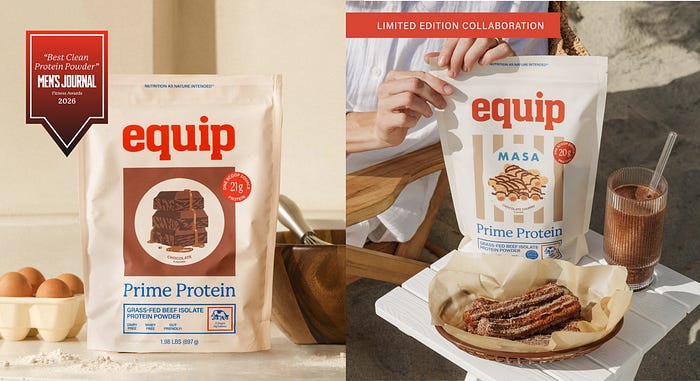
And the retail push is not the only expansion move worth noting. Equip also just dropped a collab with MASA, the cult-favorite chip brand, on a Chocolate Churro Prime Protein flavor. It is the kind of partnership that makes sense on paper and delivers on the shelf: two brands with overlapping audiences of clean-ingredient-obsessed consumers, building something together that neither would have done alone.
What makes all of this worth paying attention to is the sequence. Equip did not rush to retail or chase collabs before they had a product worth talking about. They spent a decade proving demand, building community, and dialing in the formula before expanding the brand in any direction. That kind of patience is increasingly rare and the Sprouts placement and MASA collab in the same window are evidence that it pays off. One to watch as the retail footprint grows.
Shop the Limited Edition Flavors
What We’re Seeing
-
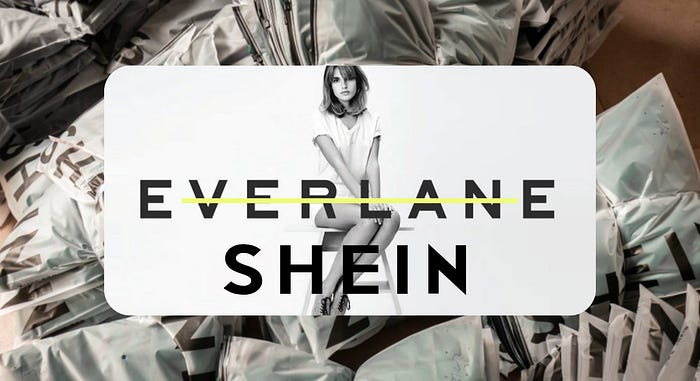
SHEIN is acquiring Everlane for $100M and it is hard to overstate how much that says about the state of DTC apparel. Everlane was a brand built entirely around radical transparency, a direct rejection of the opaque supply chains that define fast fashion. Ending up in SHEIN's hands is about as ironic as it gets. The brand raised north of $200M over its life, reportedly reached $170M in sales at its peak, and was valued at $550M when L Catterton led the 2020 round. None of that math worked out for equity holders. More on this in the Big Story below.
-
Waterdrop just closed a $117M funding round. The Austrian brand, which makes sugar-free flavored water cubes, brought in Atlantic Grupa, Aspeya, and ski champion Aleksander Aamodt Kilde as backers. The company books around €150M in annual sales across the U.S., Europe, and Asia and turned profitable at the start of this year. Atlantic Grupa is a $1B+ regional strategic using this investment to get direct insight into the brand while also bringing distribution muscle to help scale it further. A clean, profitable business raising serious capital. Solid signal for the functional hydration category.
-
Ouai just appointed Susan Kim as its new CEO. Kim was previously CEO at Kopari Beauty and is stepping in with a mandate to expand the brand internationally. The previous CEO Colin Walsh left last September to lead Glossier. Ouai was acquired by P&G in 2021 and has been growing steadily since, with Amazon sales reportedly up 50% in 2025. International expansion as the next chapter for a premium haircare brand with P&G’s resources behind it makes a lot of sense.
The Big Story: The Everlane Sale Is a $100M Lesson in What DTC Apparel Actually Is
In 2011, Everlane launched with a premise that felt genuinely different: radical transparency. They would tell you exactly what a product cost to make and exactly what they were charging you. No markups hidden behind marketing speak. Just honest pricing and quality basics.
For a while, it worked. The brand attracted a devoted following, raised over $200M across multiple rounds including an $85M Series F led by L Catterton in 2020 at a $550M valuation, and was being talked about as a potential IPO candidate with $500M or more in revenue in its future.
That future never arrived. Revenue peaked well short of those projections at around $170M. The brand struggled to grow beyond its original customer and never fully resolved the identity question at its core: was it a fashion brand, a basics brand, or a values brand? When you try to be all three, you often end up being none of them well enough to matter.
By late 2022, the capital structure told the real story. The last rounds raised were debt, including a term loan from Gordon Brothers, a firm that tends to show up when traditional lenders have already walked away. Common shareholders got wiped out. Preferred shareholders took a significant haircut after lenders were paid back.
This week, SHEIN announced it is acquiring what remains for $100M.
The company that built its identity on being everything fast fashion is not now owns the brand that built its identity on being the antidote to fast fashion. The irony writes itself.
What operators should take from this: a brand story, however compelling, is not a business model. Everlane had one of the best brand stories in DTC for years. But brand stories do not generate repeat purchase on their own, and in apparel especially, the second and third sale is everything. When you are selling basics at a premium, you need a reason for the customer to keep coming back beyond the founding narrative. Everlane never fully built that reason. And when the narrative faded, there was not enough underneath it to hold the business together.
DTC apparel is one of the hardest categories in consumer. When it works, it can produce outsized outcomes. But the failure rate is real, and the Everlane story is one of the clearest illustrations of why.
Quick Hits
Proper Wild secured $11M in new funding from existing investors, bringing its valuation to $161M.
The better-for-you energy shot brand has been building quietly for years, and the timing of this raise is worth noting. Gruns just exited for $1.2B. Suja recently went public. Magic Mind crossed nine figures. So Good So You was acquired. The wellness shot and gummies space is getting validation from every direction right now, and Proper Wild is well positioned as both a shots brand and a fast-growing gummies business. Earlier this year they launched Clean Energy Gummies which is already becoming a key focus for the company. Read more →
Roxberry Naturals, a soda brand designed specifically for kids, closed a $4M seed round.
In four months, the brand has already secured distribution at Kroger, Meijer, H-E-B, and over 2,200 Walmart stores. For context, that is one of the faster retail ramps we have seen from a seed-stage brand. The founding team includes Andy Sauer, who is also the CEO of Garage Beer, one of the fastest-growing beer brands in the country. The U.S. kids beverage category is projected to approach $30B by 2033. Someone was going to build the modern kids soda. Roxberry is making a real case that it is them. Read more →
Lemme and Starface dropped their first-ever collab, available now at Target.
A three-piece limited-edition collection including Healthy Skin Gummies in Starface’s signature star shape, limited-edition lilac Hydro-Star pimple patches, and a Lemonade Star Balm. More than a year in the making and Lemme’s first collab outside the Kardashian family. Two brands with overlapping audiences building something together that earns real attention.
Kool-Aid just launched its first-ever electrolyte drink mix and is going straight at Liquid I.V. on price.
Sugar-free, no artificial dyes, four essential electrolytes, and around $4.99 for a six-pack of sticks. Meaningfully cheaper than Gatorade and Liquid I.V. equivalents. Part of Kraft Heinz’s broader turnaround play in a $4.6B powder concentrate market that has tripled in five years. The nostalgia angle is real. Whether the brand equity translates to repeat purchase in a loyalty-driven category is the question worth watching. Read more →
Event Roundup

RSVP - How Smart Brands Win In A Crowded Isle - 5/20 (NYC)
RSVP - The Wellness Lounge - 5/20 (NYC)
RSVP - DTC Dinner Club - 5/20 (NYC)
RSVP - Sheinnovates NYC - 5/28 (NYC)
RSVP - Word of Mouth Podcast Launch Party - 6/4 (Santa Monica, CA)
That is Signals for Issue 013.
The Everlane story is one worth sitting with. What is your honest read on where DTC apparel goes from here? Hit reply.
See you Thursday.
— Zach and the 1800Hotline Team
Find a partner, tool, or agency: 1800DTC.com
Become a sponsor: Partner with us
Get connected with our partners: Brand Form
Join 17k+ subscribed
Get The eCommerce Pulse
The twice-weekly briefing for operators, founders, and partners shaping modern DTC.